
Straight Tuck End
Matched top-and-bottom tuck closures create a clean profile for many lightweight retail products.
Customize & quote →CUSTOM FOLDING CARTONS & PAPERBOARD BOXES
Order custom printed folding cartons for beauty, fragrance, food and retail products. MEIKEI develops the box size, paperboard, opening style and finish around your product and packing process, with dieline review and sampling before the production specification is approved.
Minimum order: 100 finished cartons. Share quantities by design and your delivery country. Sample requests are welcome.
Not sure about materials or specifications? Ask about your project. Share the details you have; a rough brief is welcome.
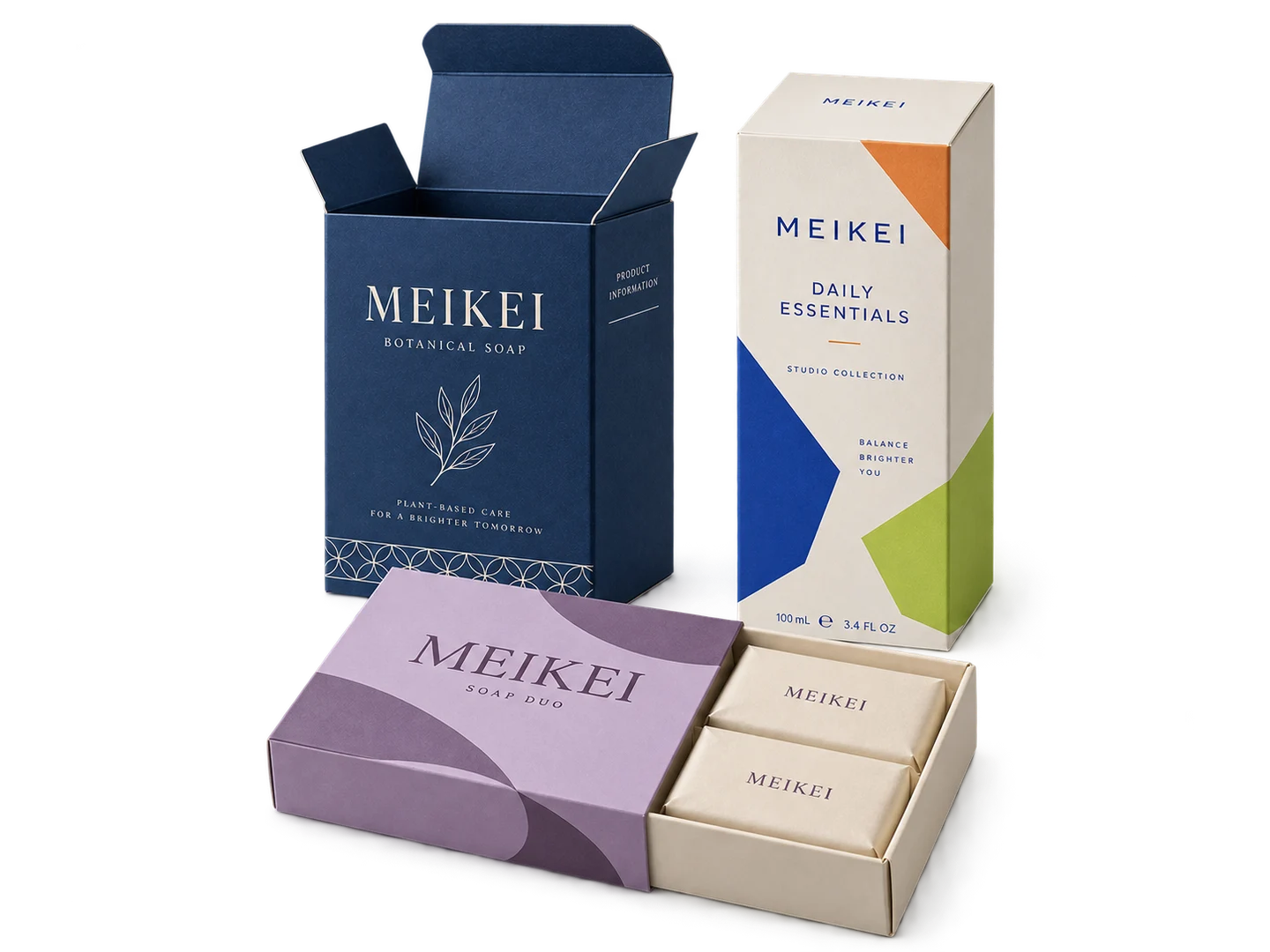
Custom dimensions and dielines
Multiple closing structures
Print and specialty finish options
Structure, board, print, coating and finishing aligned before sampling.
PRODUCT DIRECTIONS
Choose the closure around product weight, access and packing speed. Confirm the structure and fit before final artwork.
Matched top-and-bottom tuck closures create a clean profile for many lightweight retail products.
Customize & quote →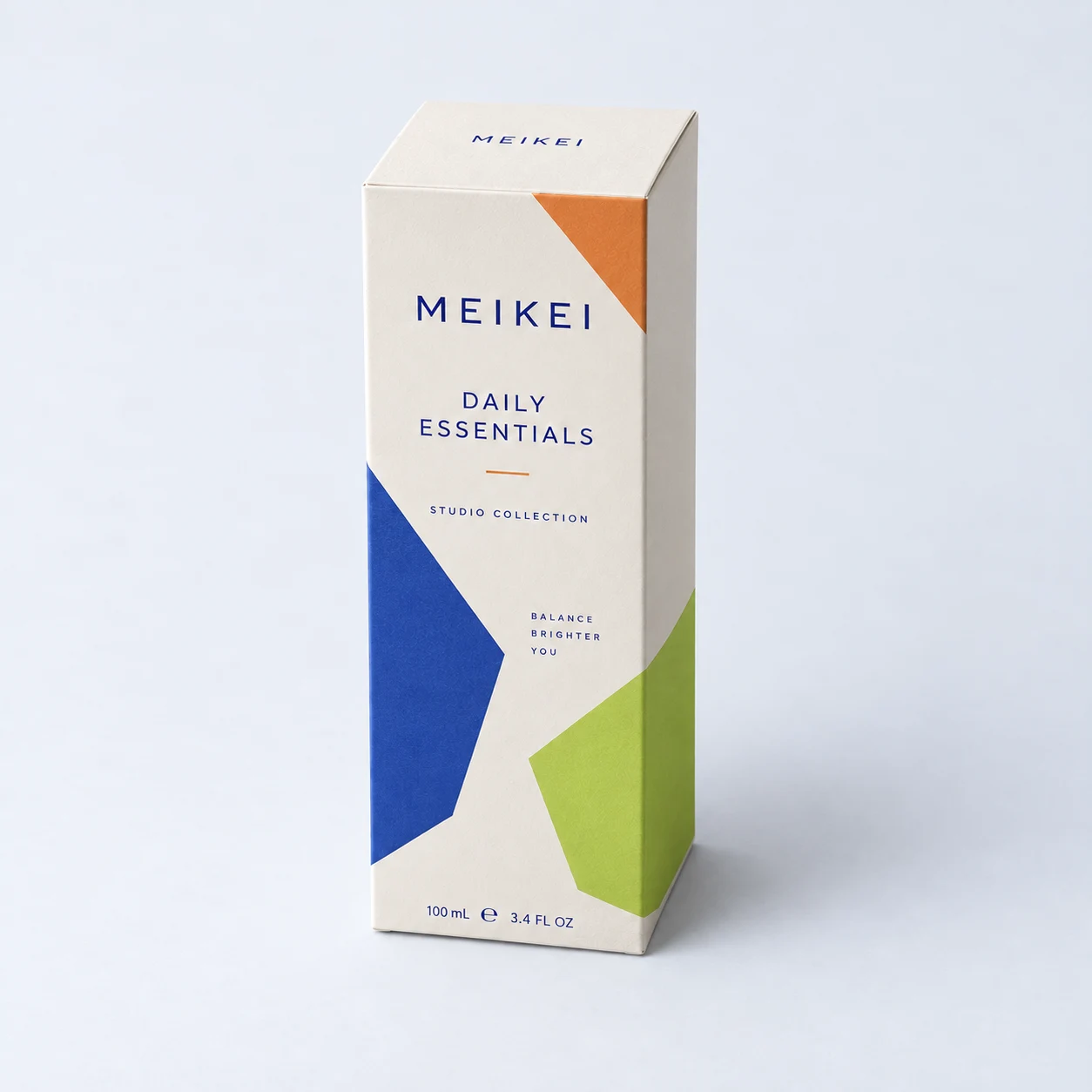
Opposing tuck closures support efficient sheet layout and straightforward manual packing.
Customize & quote →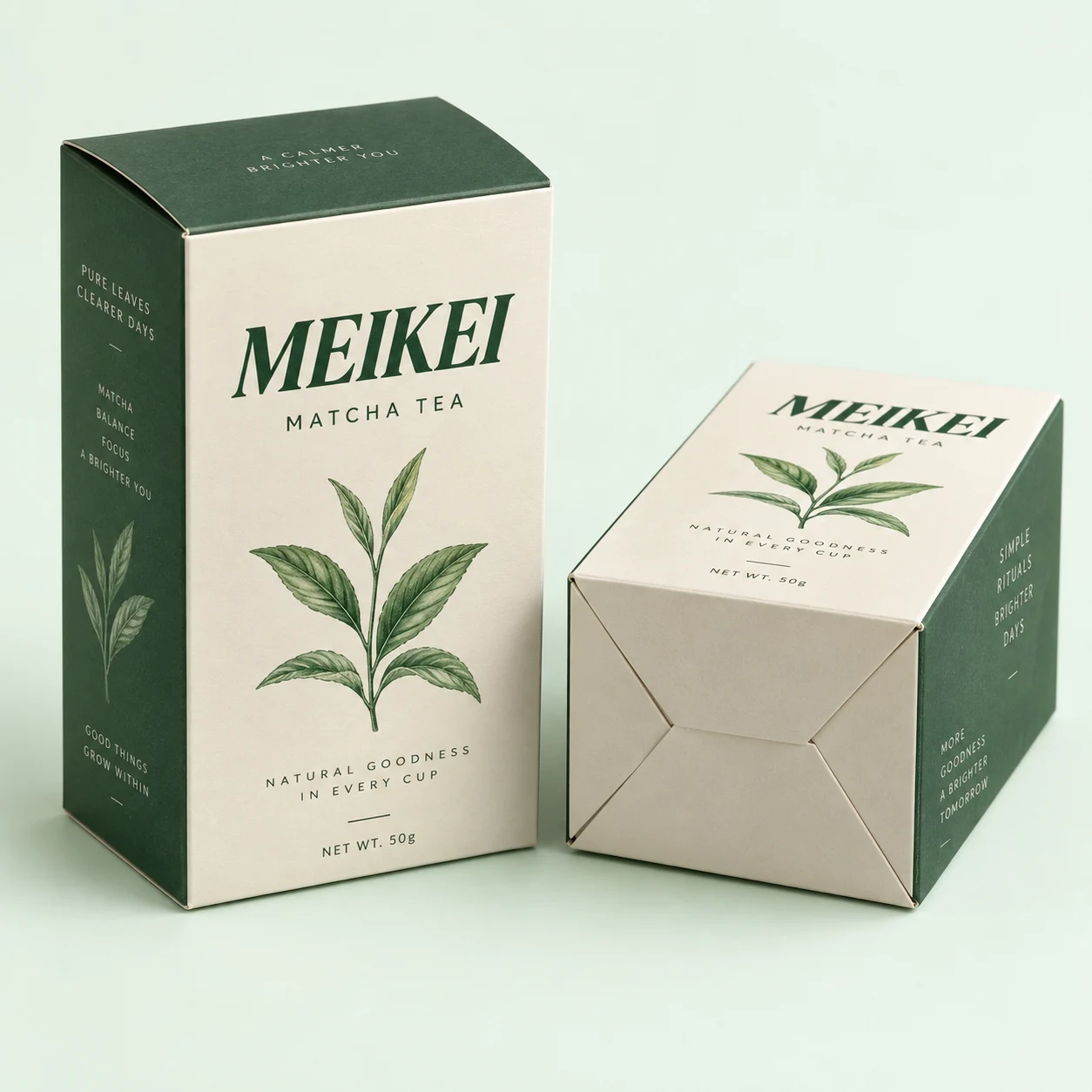
A pre-glued base opens quickly for faster packing and greater bottom support.
Customize & quote →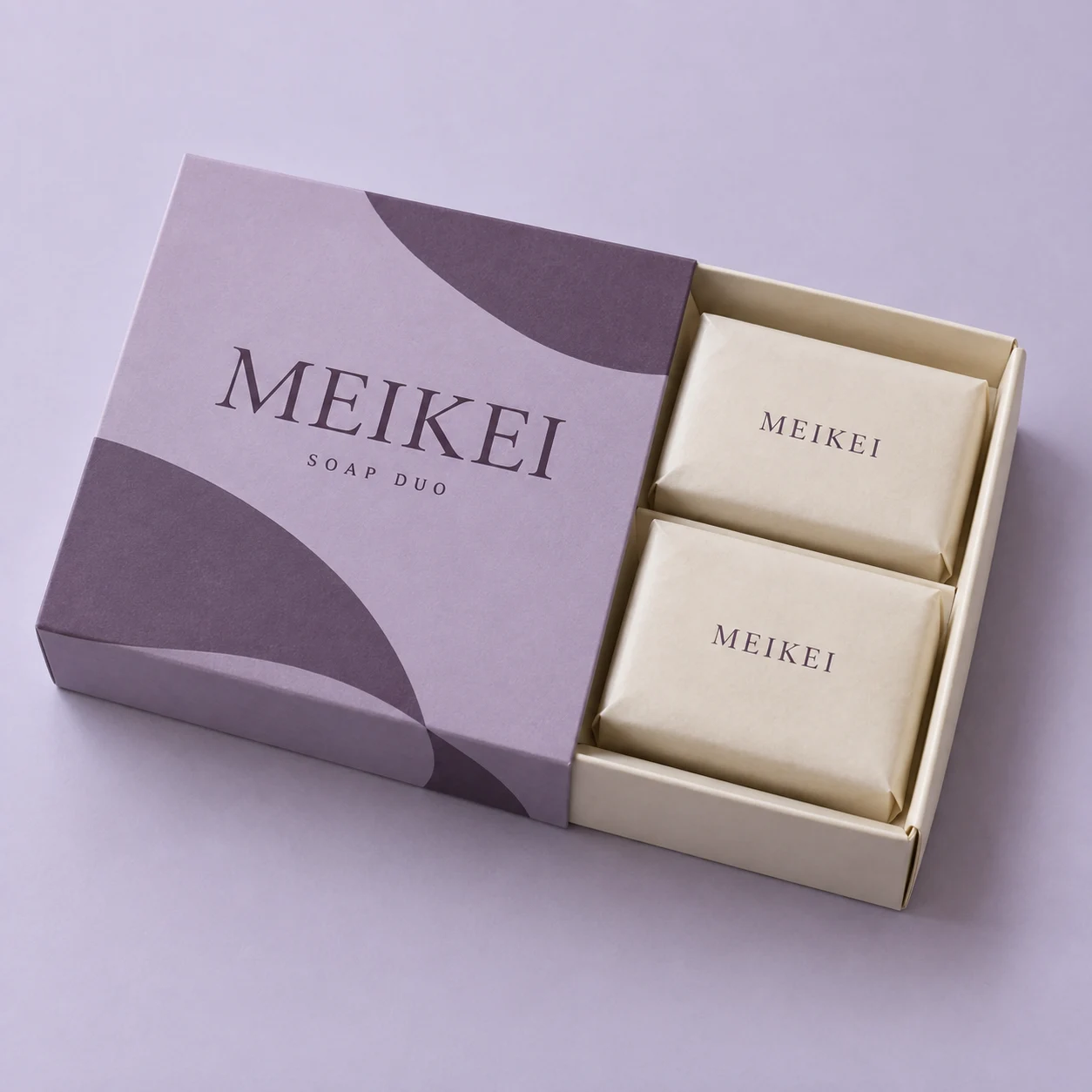
A sliding paperboard sleeve and tray create a paced reveal with broad printable surfaces.
Customize & quote →MEIKEI-branded images are AI-generated packaging design concepts, not completed client projects. Final construction and print are confirmed by an approved sample.
SAMPLE DETAILS
Compare visible packaging details, then develop the dimensions, board and closure around your product and packing process.
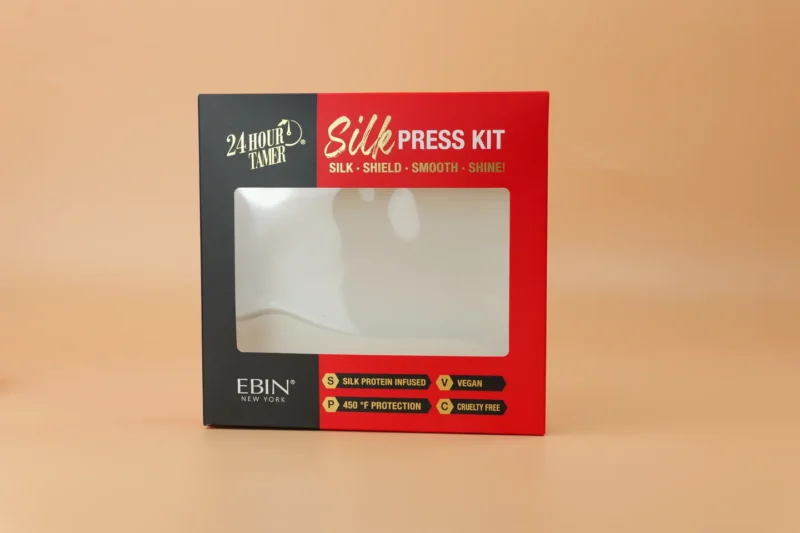
Use a window when product visibility is part of the brief. Agree its position and dimensions with the dieline, and specify whether an open cut-out or a covered window is required.
Discuss a window carton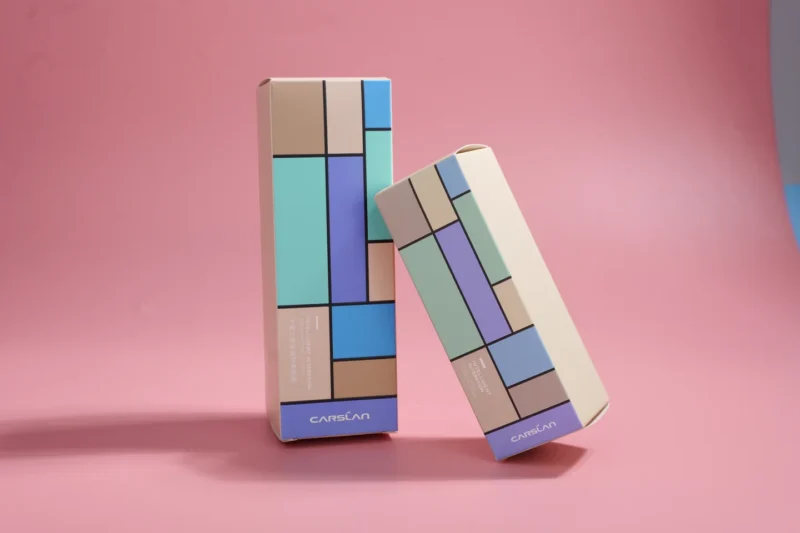
Check how artwork aligns across the front, side and closure panels. A folded sample helps your team review orientation, readable text and product clearance together.
Explore tuck-end cartons
Start with the product dimensions and how it will be inserted and removed. Review panel width, small text and the intended opening before approving the production sample.
Discuss size and finishUse these checks with the sample photographs above. A photograph shows appearance; it does not establish a material grade, exact size or tested performance.
| Decision | What to specify | What to confirm |
|---|---|---|
| Product fit | Provide product dimensions and the required internal carton dimensions separately. | Include the intended orientation, clearance and insert requirements. |
| Board & construction | Specify board grade and caliper when known; otherwise request a suitable sample for review. | Confirm the closure and packing method with a physical sample. |
| Quantity & artwork | State finished carton quantity and quantities per design. Keep the dieline and print/finish layers clearly named. | Minimum 100 finished cartons; artwork follows the approved dieline. |
Check inside and outside carton dimensions →Configure straight tuck end cartons →
ONE-STOP CUSTOM PRODUCTION
Plan the structure and artwork together so the carton folds, closes and presents the product as intended.
Start your project ↗Dimensions, folds, locking points, product clearance and packing sequence are reviewed before the production dieline moves forward.
Compare white and kraft boards, specialty papers, full-color or spot-color print, foil, embossing, lamination, windows and inserts.
Review construction, folding, color, finishing position and product fit before the approved carton specification enters production.
Folding cartons are cut and creased from paperboard and usually ship flat for assembly during packing. Tuck ends, locking bases and sleeves suit different products and workflows.
Share product dimensions, weight and packing method. MEIKEI reviews board thickness, clearance, folds and any window or insert before sampling.
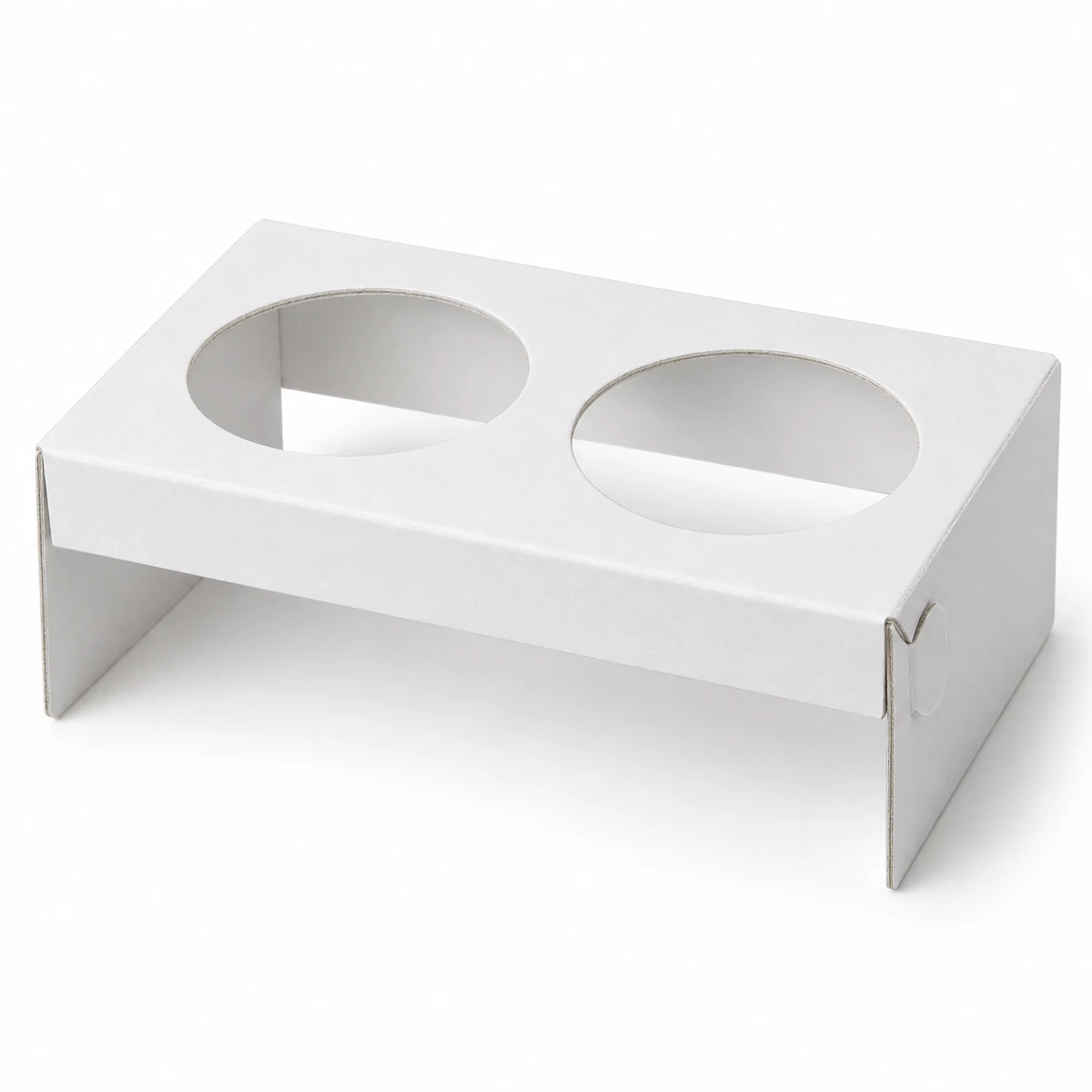

Tuck ends, locking bases and sleeve structures differ in assembly and access. Match the closure to the product and packing method.
Check clearance, folds and insert fit with a structural sample before approving the dieline.
Compare carton structures →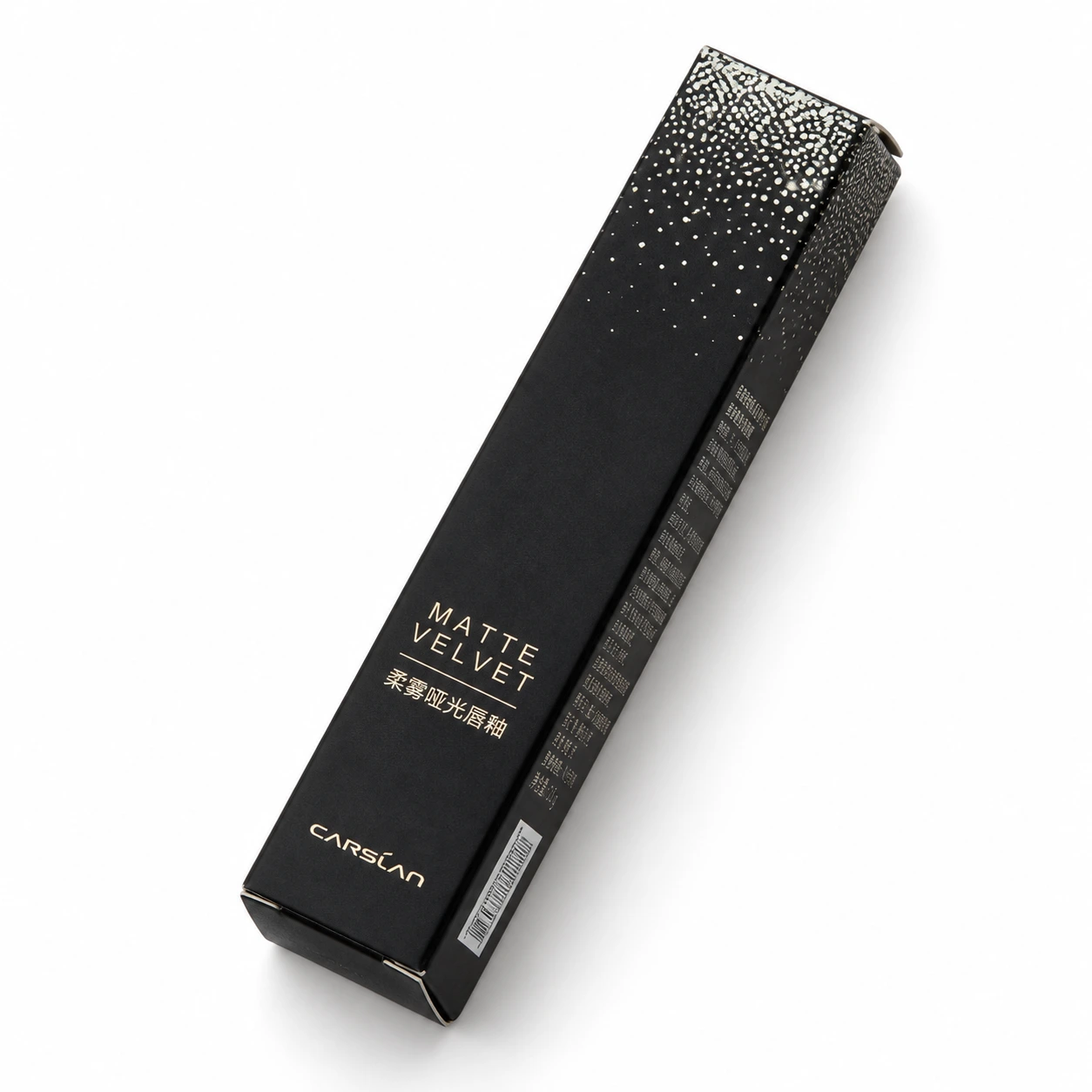
Paperboard color and surface affect printed artwork. Keep glue areas, folds and closures clear of conflicting graphics.
Foil, embossing and spot UV can highlight the brand. Confirm their placement and compatibility with the selected board.
Explore carton finishes →OPTION LIBRARY
Compare structures, boards and finishes for your brief. Material availability, printing method and final compatibility are confirmed during project review.
Matched tuck flaps at both ends create a clean front-and-back presentation for lightweight retail products.
Top and bottom tuck in opposite directions for efficient sheet layout and familiar manual assembly.
A pre-glued base opens into position quickly for faster packing and additional product support.
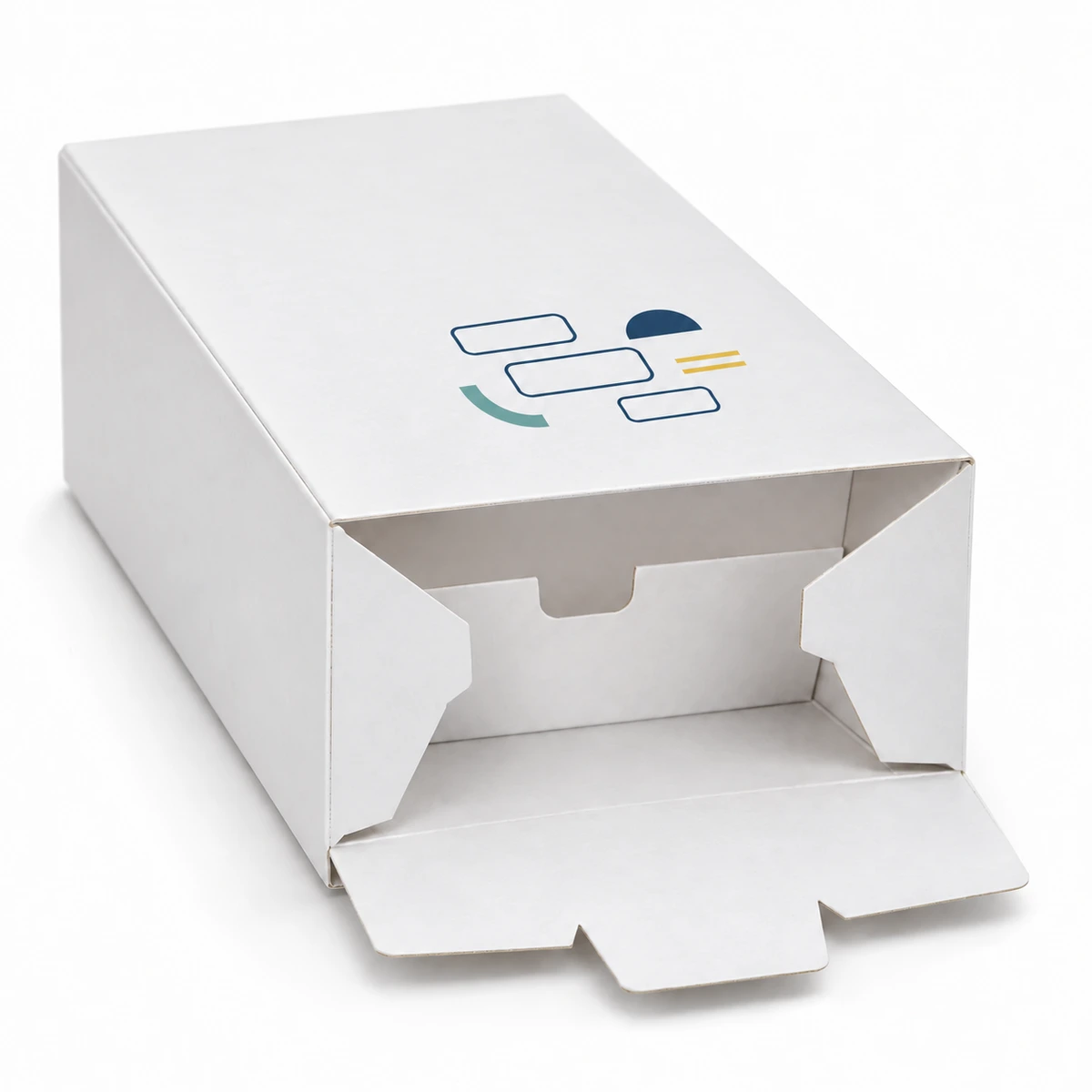
Interlocking bottom flaps provide a practical hand-assembled base without a pre-glued auto bottom.
A printed sleeve slides over a paperboard tray or existing inner package for a controlled reveal.
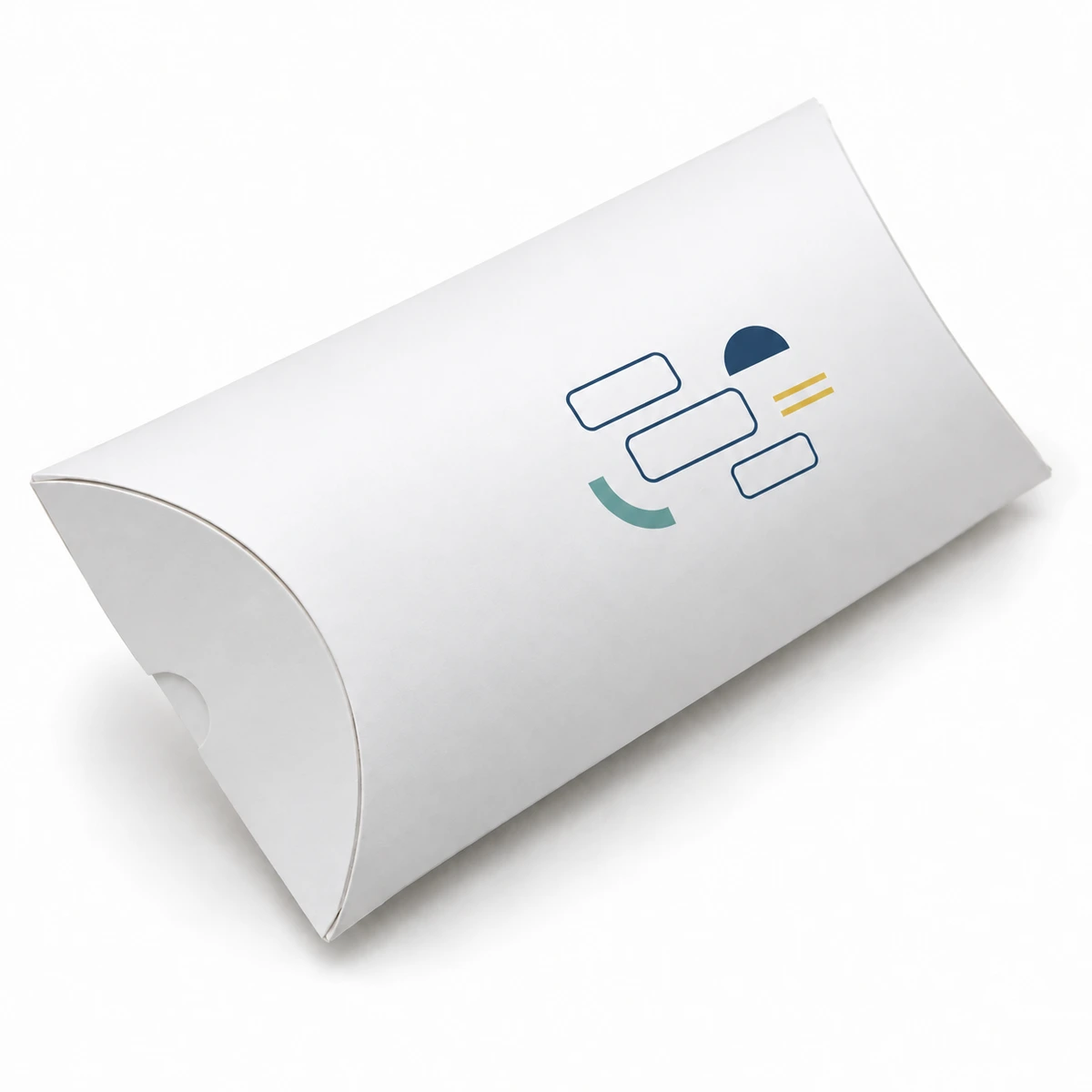
A curved folding structure suited to lightweight accessories, gifts and compact promotional products.

A die-cut opening displays part of the product while preserving sufficient board around the panel.
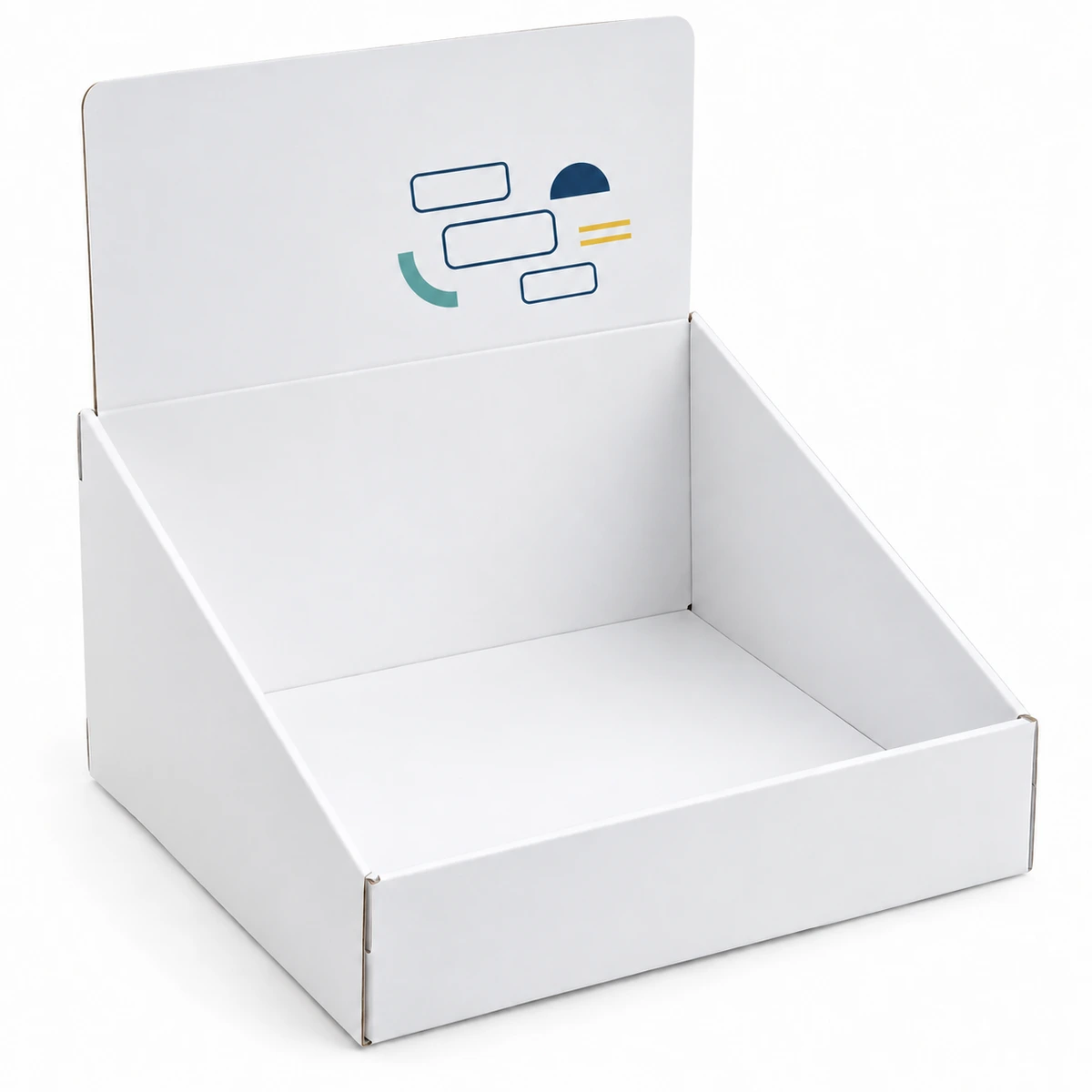
A convertible or open-front direction considered for countertop and shelf merchandising.
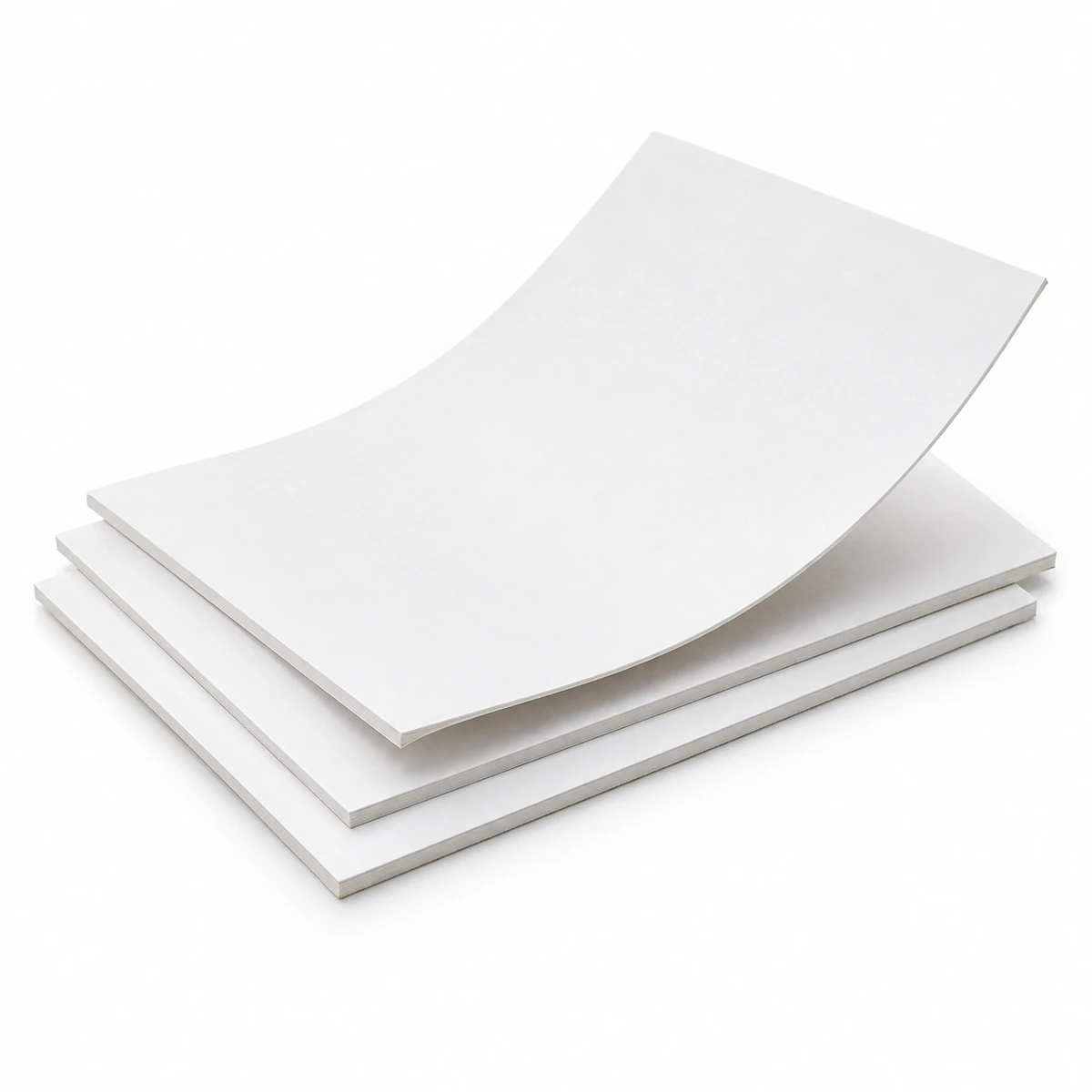
Review a coated outer print surface against the required board grade, thickness and carton structure.
Review coated inner and outer surfaces when the carton brief includes interior printing.
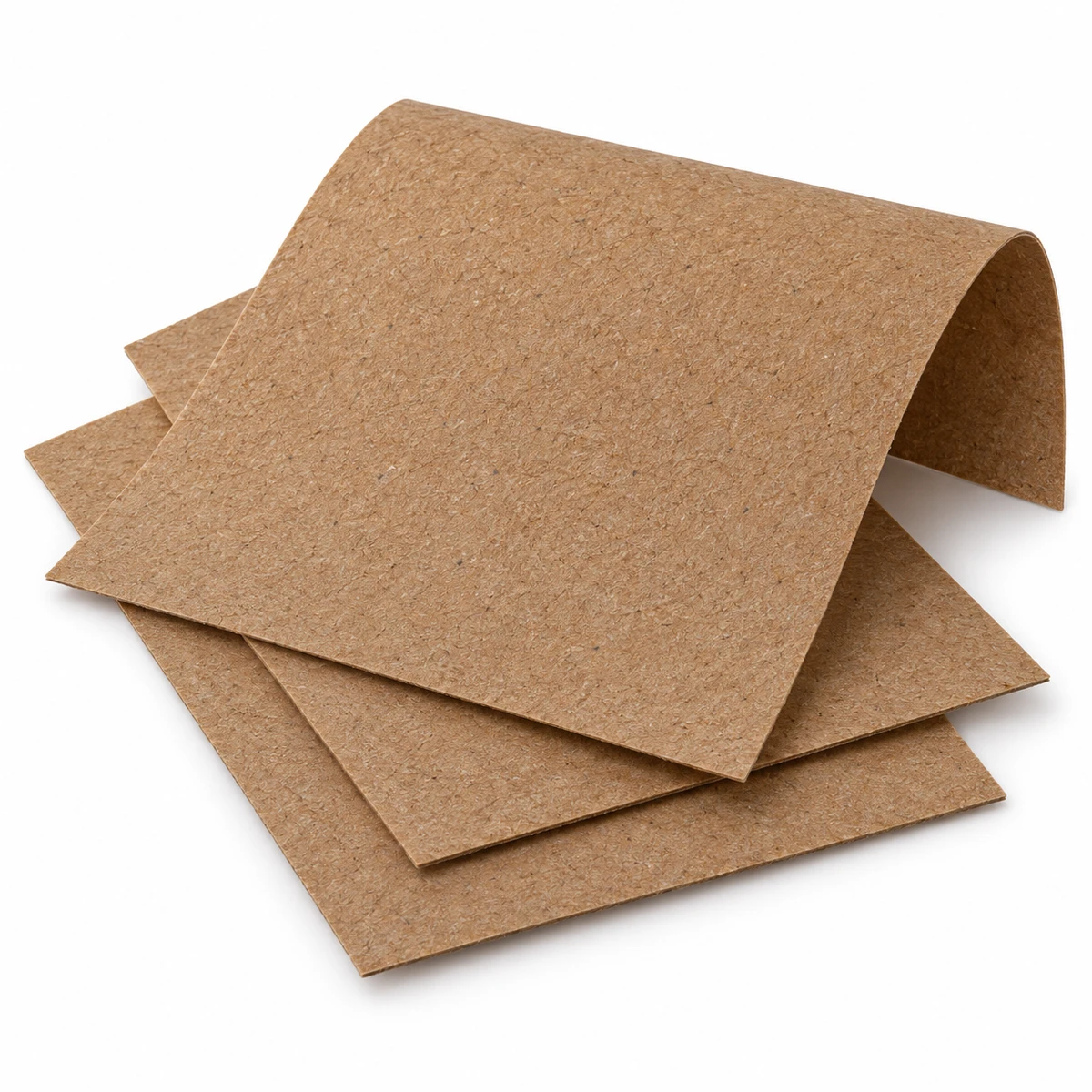
Brown kraft appearance for warm, material-led branding and selected single- or multi-color print directions.
A brighter printable kraft direction where strength and a cleaner visual surface are desired.
Confirm board grade, thickness and finish; recycled-content requests require supporting material documentation.

Textured, colored or dyed-through paper laminated to a suitable paperboard structure.

Reflective or pearlescent material considered for selected premium cartons and restrained artwork.
Caliper is reviewed around carton dimensions, product weight, fold behavior and presentation needs.
Confirm the coating type against the stock, artwork, folding and expected handling.
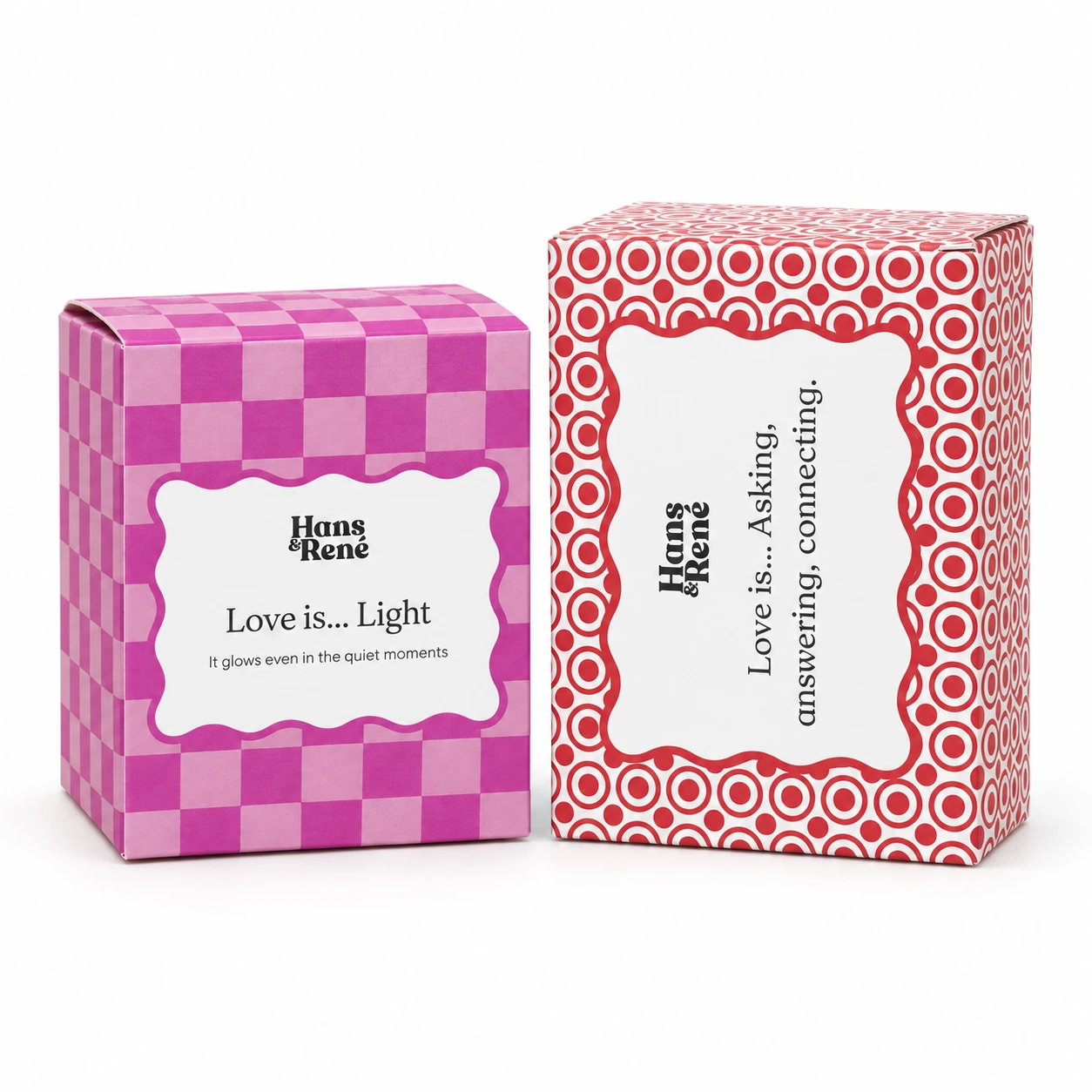
Clear coating available in selected gloss, satin or matte directions for compatible print surfaces.

A low-gloss film layer that protects print and supports restrained premium graphics.
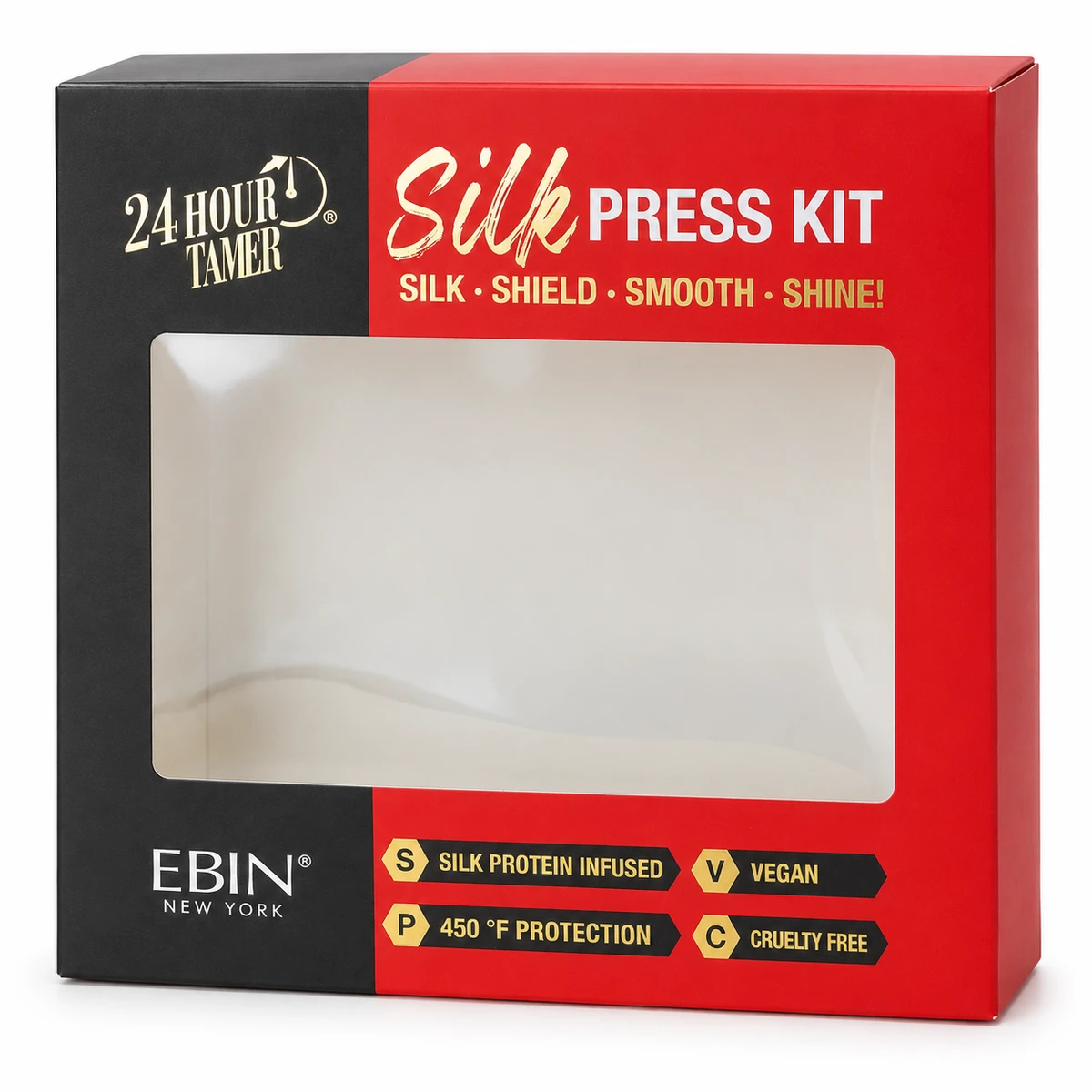
A reflective protective film considered for saturated color and wipe-clean handling.
A tactile film option, subject to material, artwork, structure and production review.
Share expected handling and scuff concerns so a suitable surface construction and sample can be reviewed.
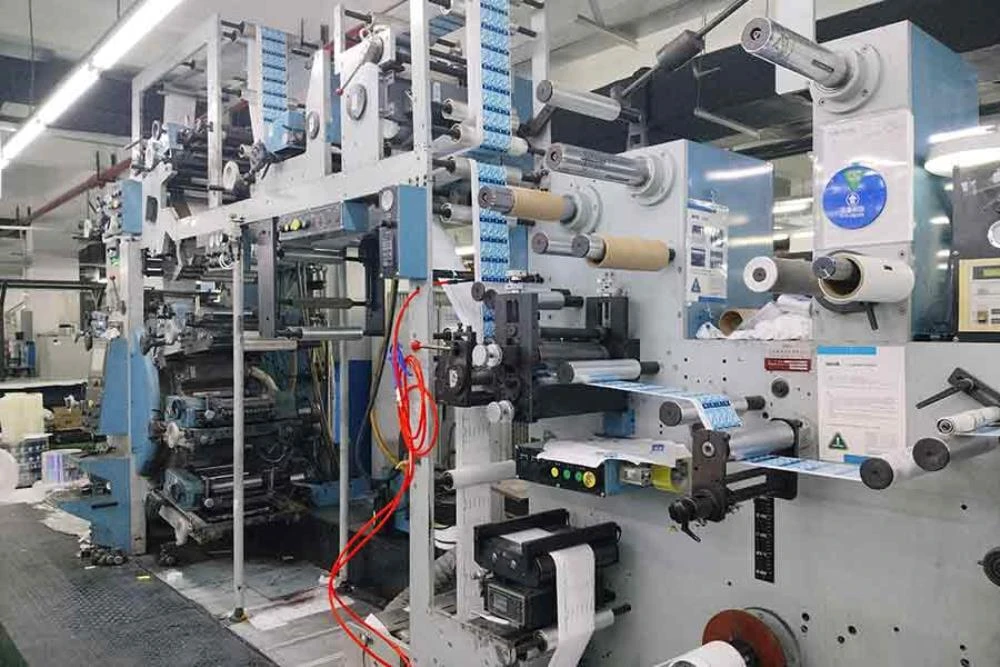
The printing method is confirmed after paper, artwork, color requirements and quantity are reviewed.
Supply each approved design and quantity so the production and packing requirements can be reviewed.
Full-color graphics reproduced with proof targets and paperboard behavior considered.
Spot-color intent for controlled brand colors, solid areas and selected specialty inks.
A white-ink layer considered on kraft, metallic and darker specialty materials.
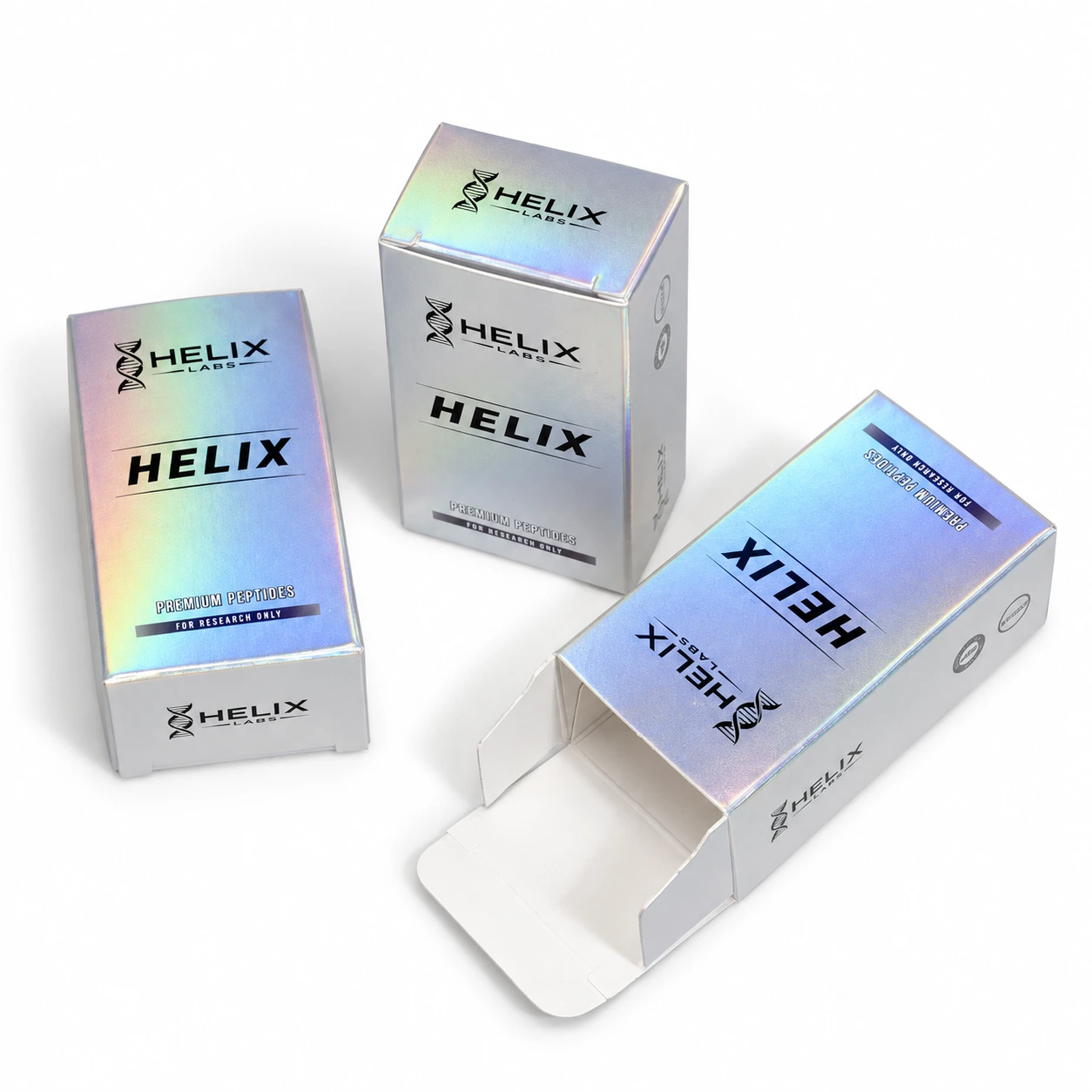
Graphics, instructions or brand details placed on approved internal panels outside glue and critical fold areas.
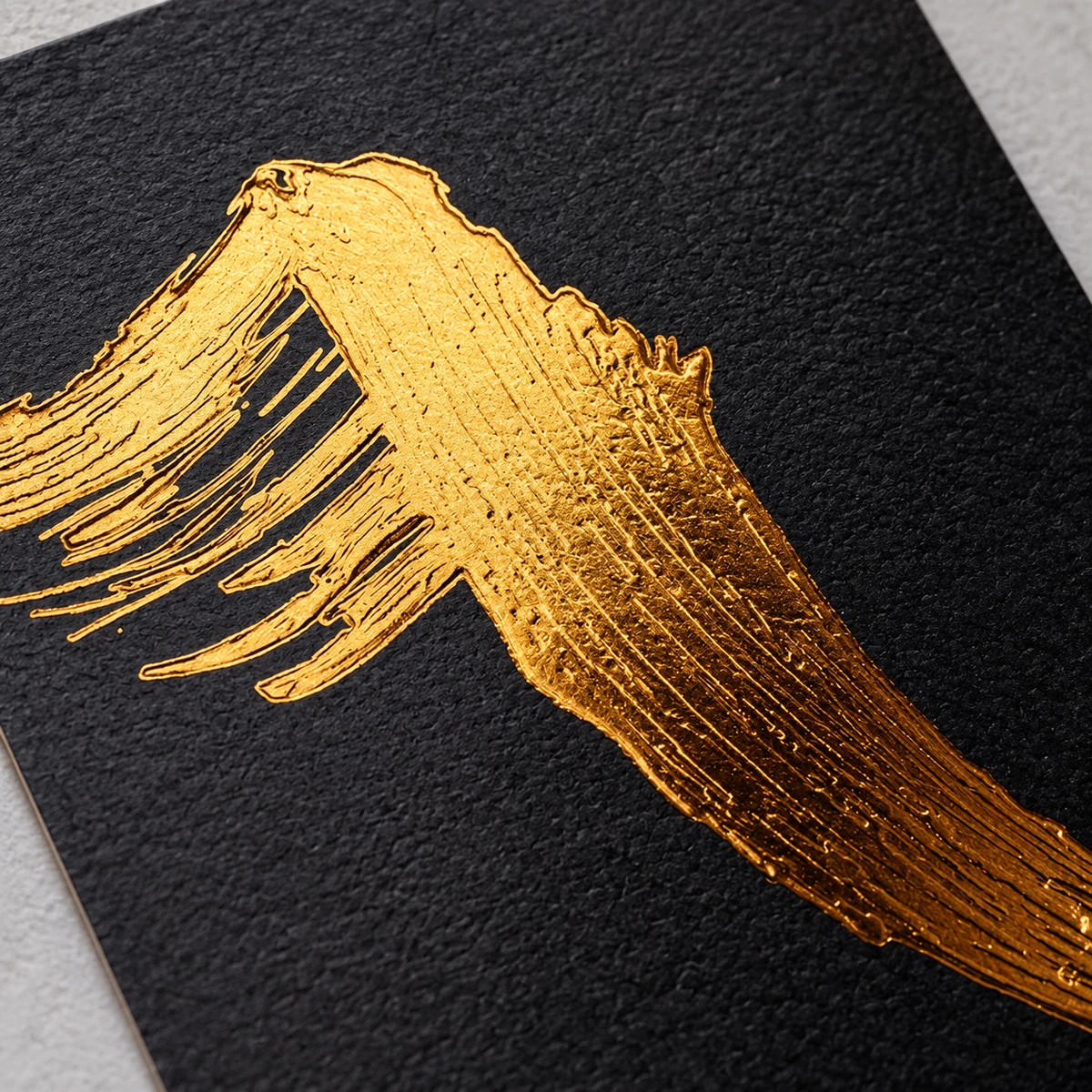
Metallic detail applied to selected typography, borders, symbols or brand elements.
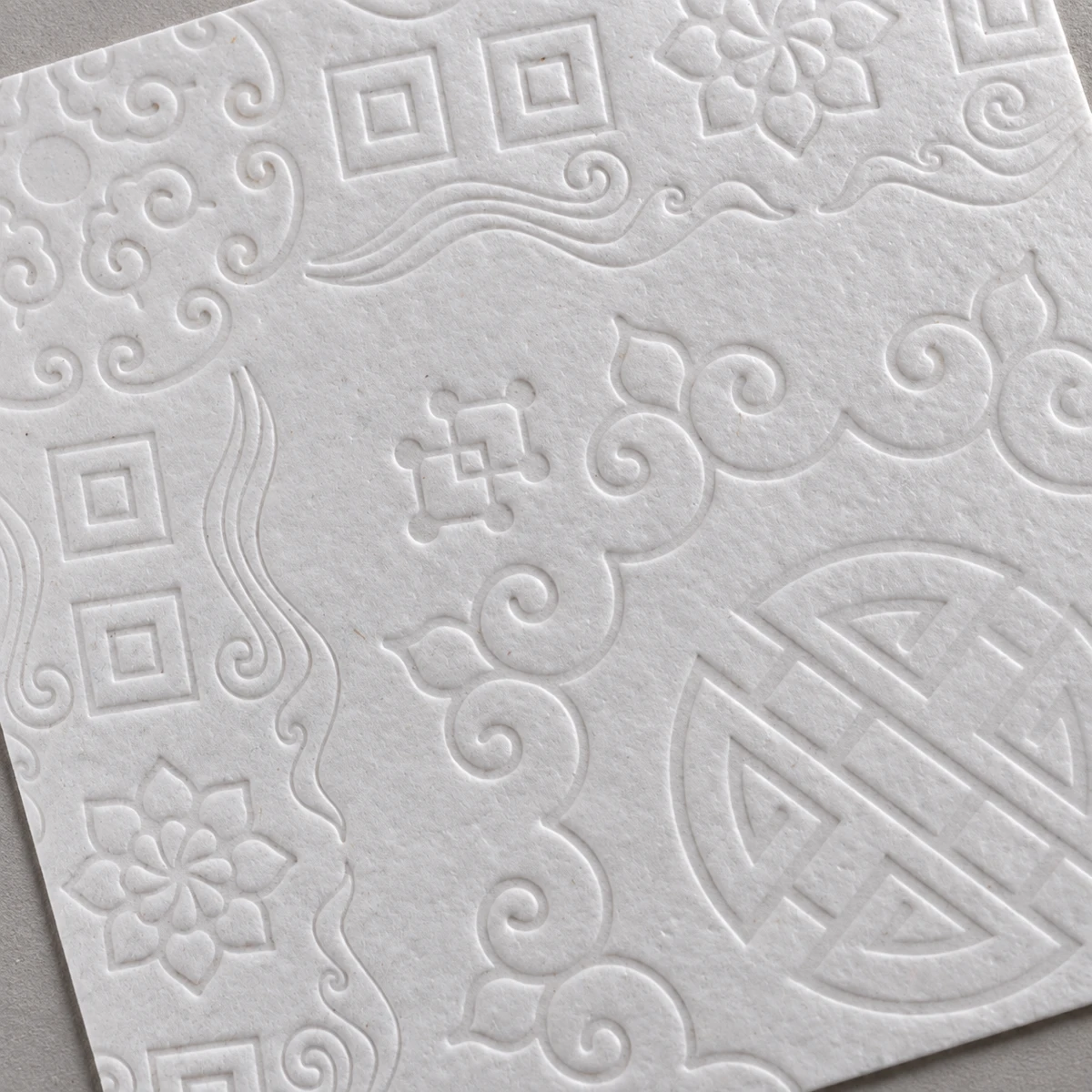
Raised or recessed relief coordinated with board thickness, folds and artwork position.
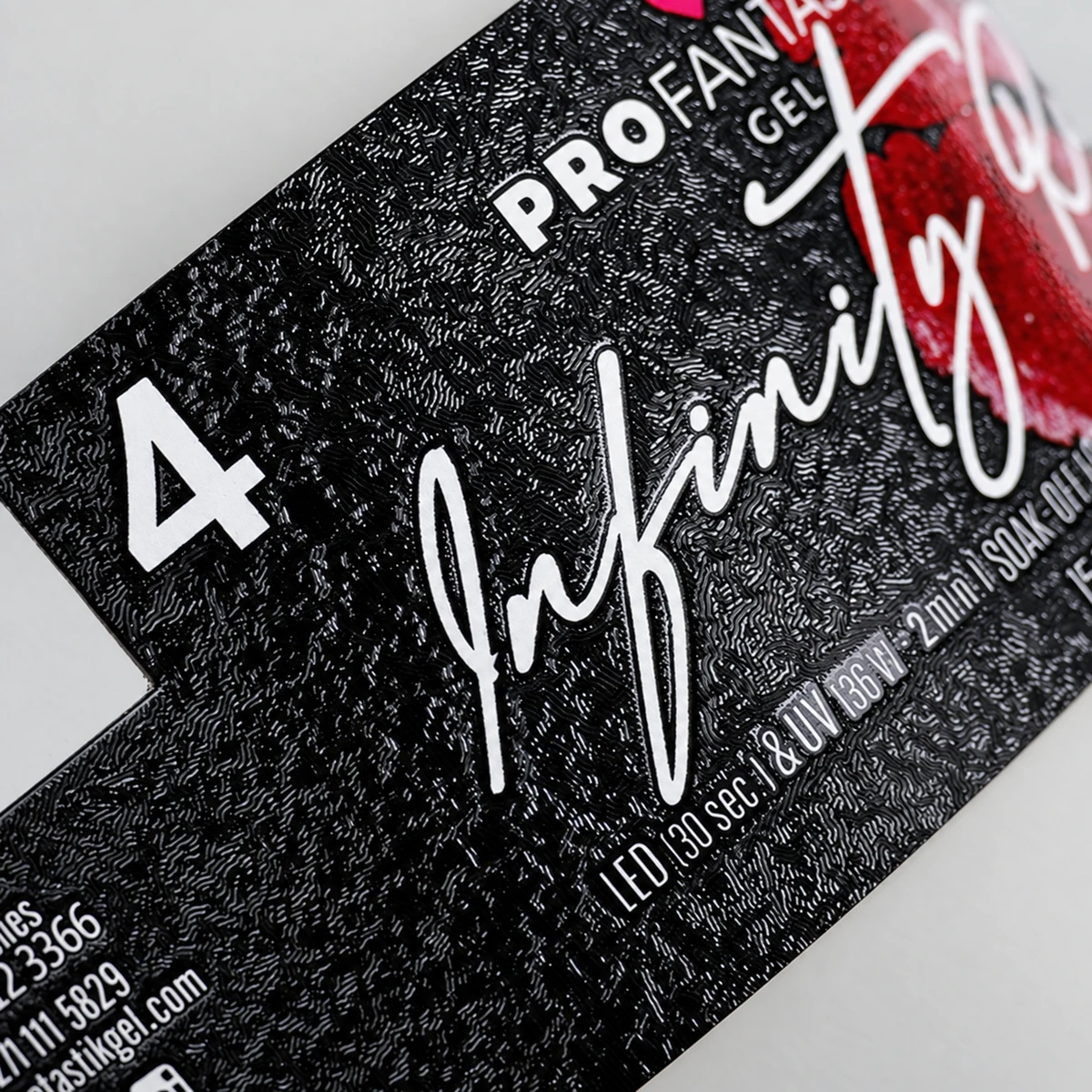
Selective gloss contrast over a compatible printed, coated or laminated surface.
An open or film-covered reveal reviewed for panel strength, product visibility and gluing.
A folded board platform or partition engineered around the product profile and packing sequence.
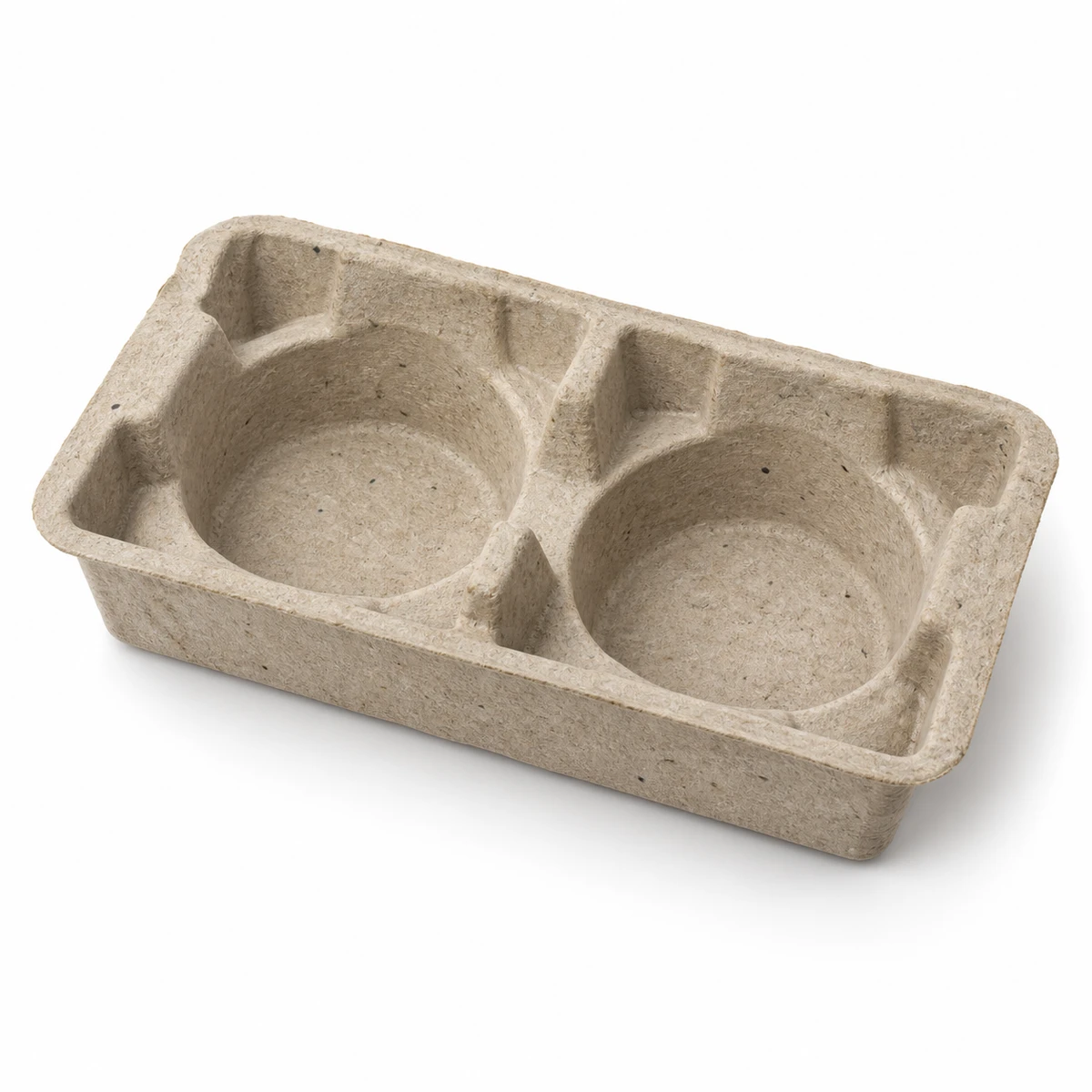
A formed paper-fiber direction considered for product support and selected material goals.
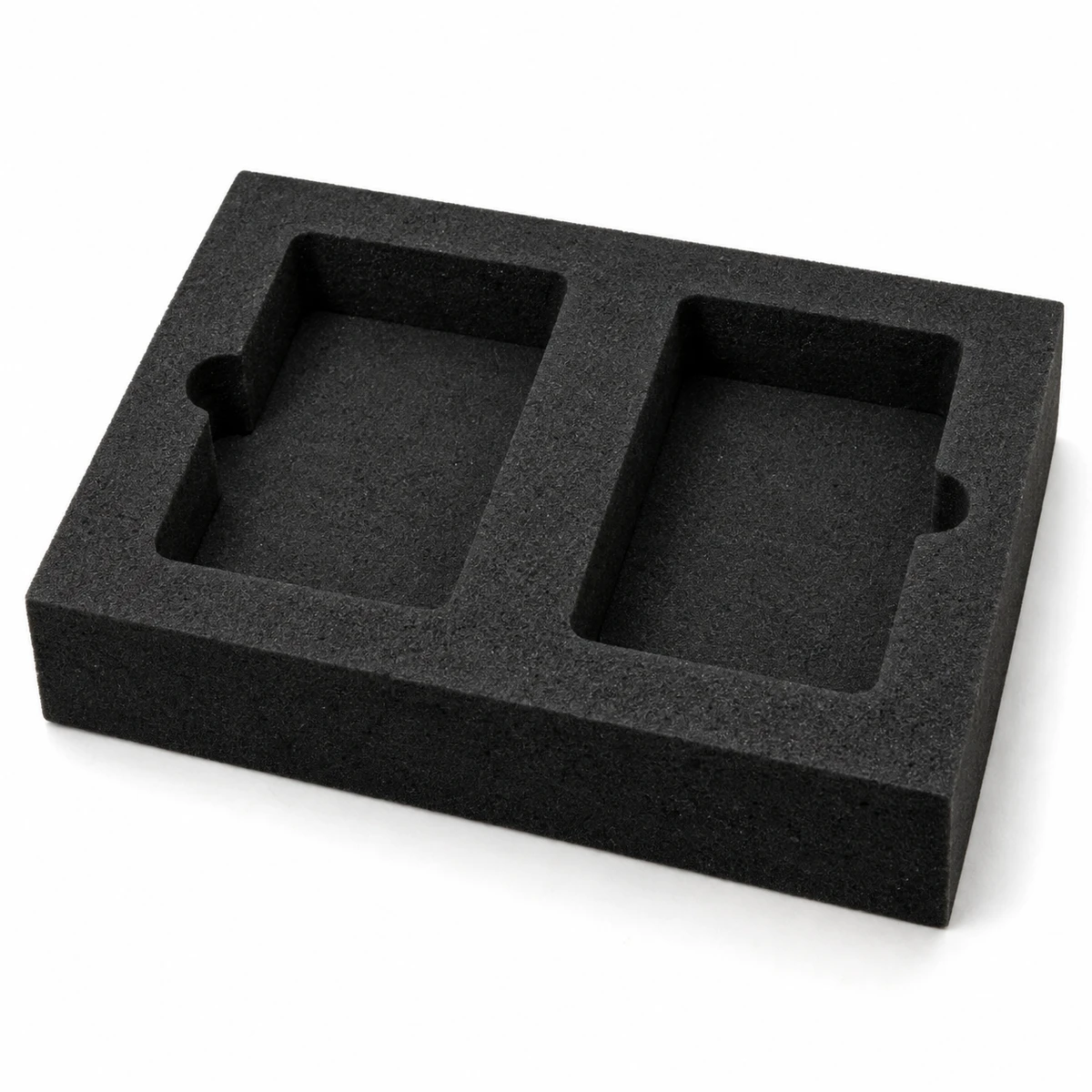
Protective insert direction when cushioning, product retention and a precise presentation are priorities.
Hang tabs, locking tabs and approved display details integrated into the structural dieline.
Share the product, artwork and required result. Our team will organize the specification with you.
Ask a product specialist →PLAN YOUR SPECIFICATION
A folding carton manufacturer needs more than the finished dimensions. The closure, packed weight and assembly method help determine which structure is worth sampling.
| Starting point | Useful when | Confirm on the sample |
|---|---|---|
| Tuck-end carton | You want top or bottom access and a familiar retail format. | Product clearance, tuck engagement and repeated opening. |
| Auto-lock bottom | Your packing team needs a pre-glued base that opens into position. | Base engagement, packed weight and compatibility with the packing workflow. |
| Sleeve and tray | You want a sliding reveal or separate outer and inner components. | Sliding resistance, tray retention and access to the product. |
Separate the retail carton from any transport packaging in the brief. A presentation sample checks fit and appearance; transport protection needs an agreed packed-product evaluation.
APPLICATIONS
Use the application as the starting point, then align material, structure, print and finishing around its requirements.
Printed cartons for skincare, fragrance and personal-care products.
Protective retail cartons coordinated with jar labels and inserts.
Paperboard cartons reviewed around product and market requirements.
Shelf-ready packaging with clear hierarchy and practical assembly.
Check fit, folds and print together, from the first dieline to the packed carton.
Send product dimensions, weight, quantity and retail or shipping use.
Agree the dieline, board grade, closure, print and finish.
Test the product fit and check folds, closure and printed appearance.
Print, die-cut, crease and glue to the approved specification.
Review cut edges, fold alignment, glued seams and bundle quantities.
Confirm flat or assembled packing and retain the approved reorder details.
Sampling, production and delivery timing are confirmed for your specification, quantity and destination.
Start with your product dimensions and weight, then review the internal fit and opening style.
Check the dieline, board, print, folds and closure on the agreed sample before production.
Agree flat or assembled delivery, bundle quantities and outer packing around your packing workflow.
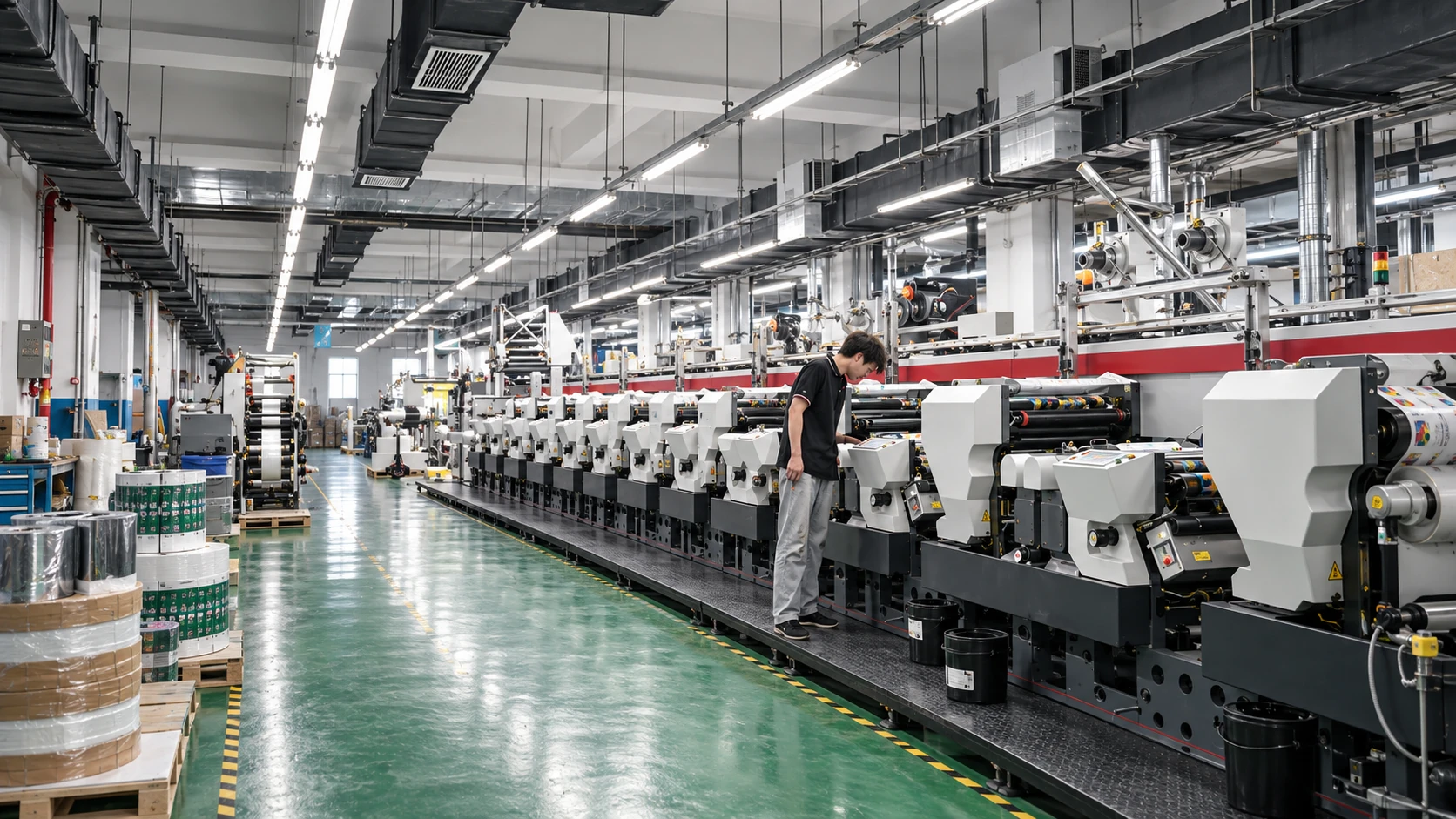 Guangzhou production facility
MANUFACTURER DIRECT
MEIKEI coordinates material review, artwork checks, sampling, print, finishing, converting and packing within one documented project workflow.
FREQUENTLY ASKED QUESTIONS
Practical answers for buyers comparing custom print manufacturers.
Ask another question →Send the product or finished box dimensions, quantity, preferred structure, paperboard or finish direction, artwork status, packing method and delivery destination.
Yes. Structure and dieline direction can be reviewed around the supplied product dimensions, weight, opening direction and packing requirements.
Labels, windows and inserts can be reviewed under one brief. Insert material and construction are confirmed for the product and sample.
Yes. A physical sample is reviewed and approved before the confirmed specification moves to mass production.
A folding carton is cut and creased from paperboard and is normally shipped flat. A rigid setup box uses a thicker wrapped board structure and remains assembled, creating a different presentation, packing and freight profile.
Yes, on suitable structures and paperboard. Internal artwork must be planned around glue areas, folds, closures and the selected print process before the dieline is approved.
START YOUR PROJECT
Share enough information for the team to review material, structure, print, finishing and delivery as one project.
COMPLETE THE PACK
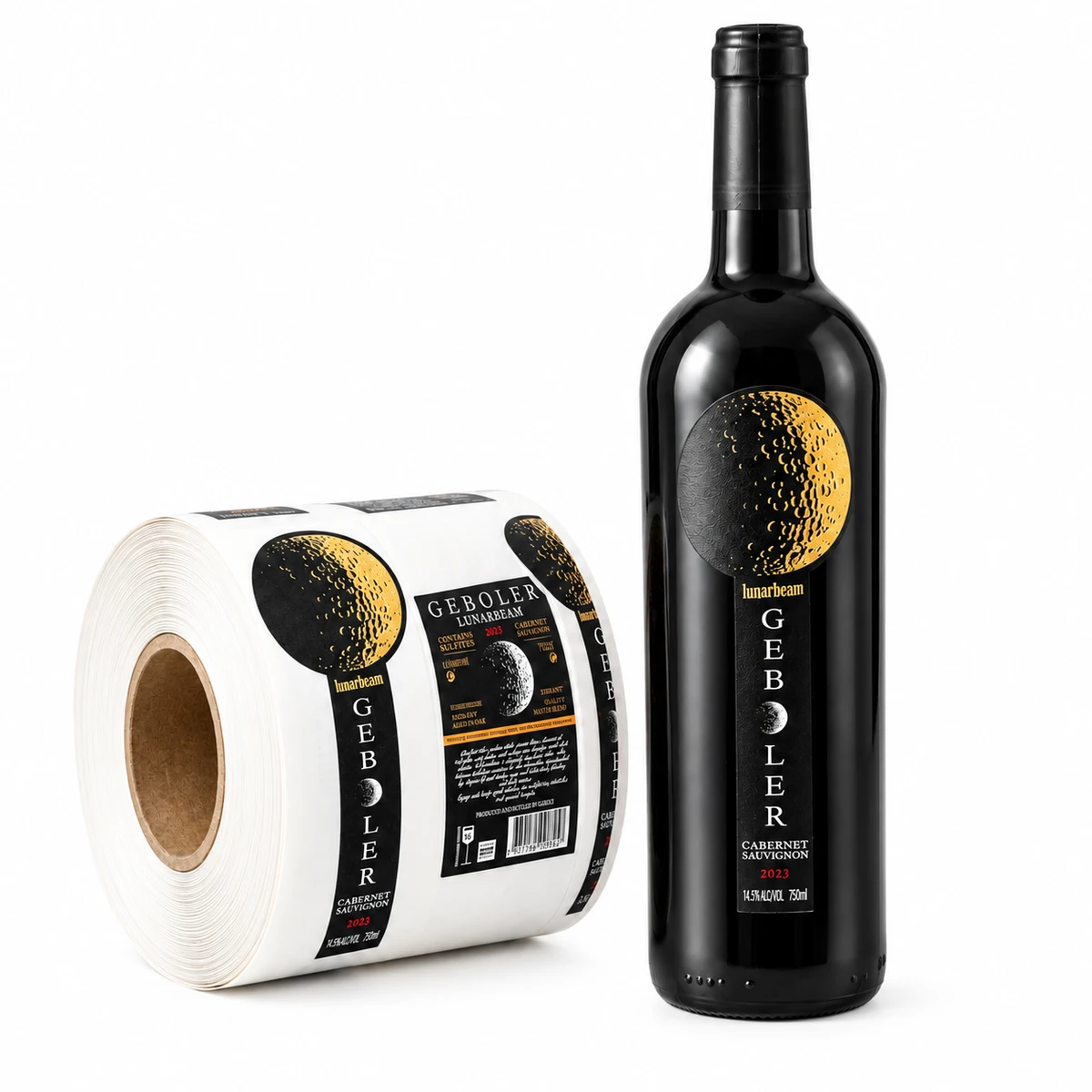 Labels & Stickers ↗
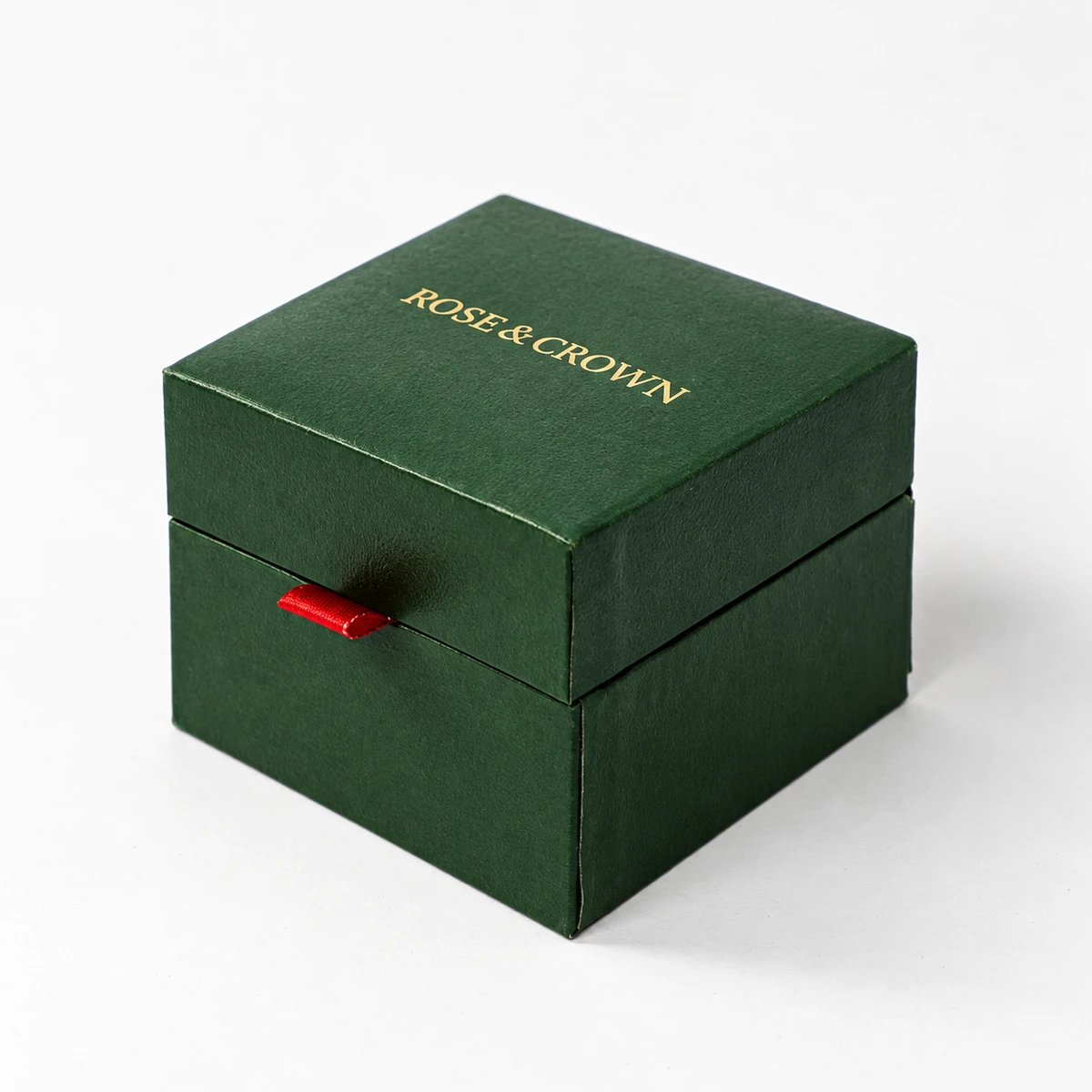 Rigid Boxes ↗
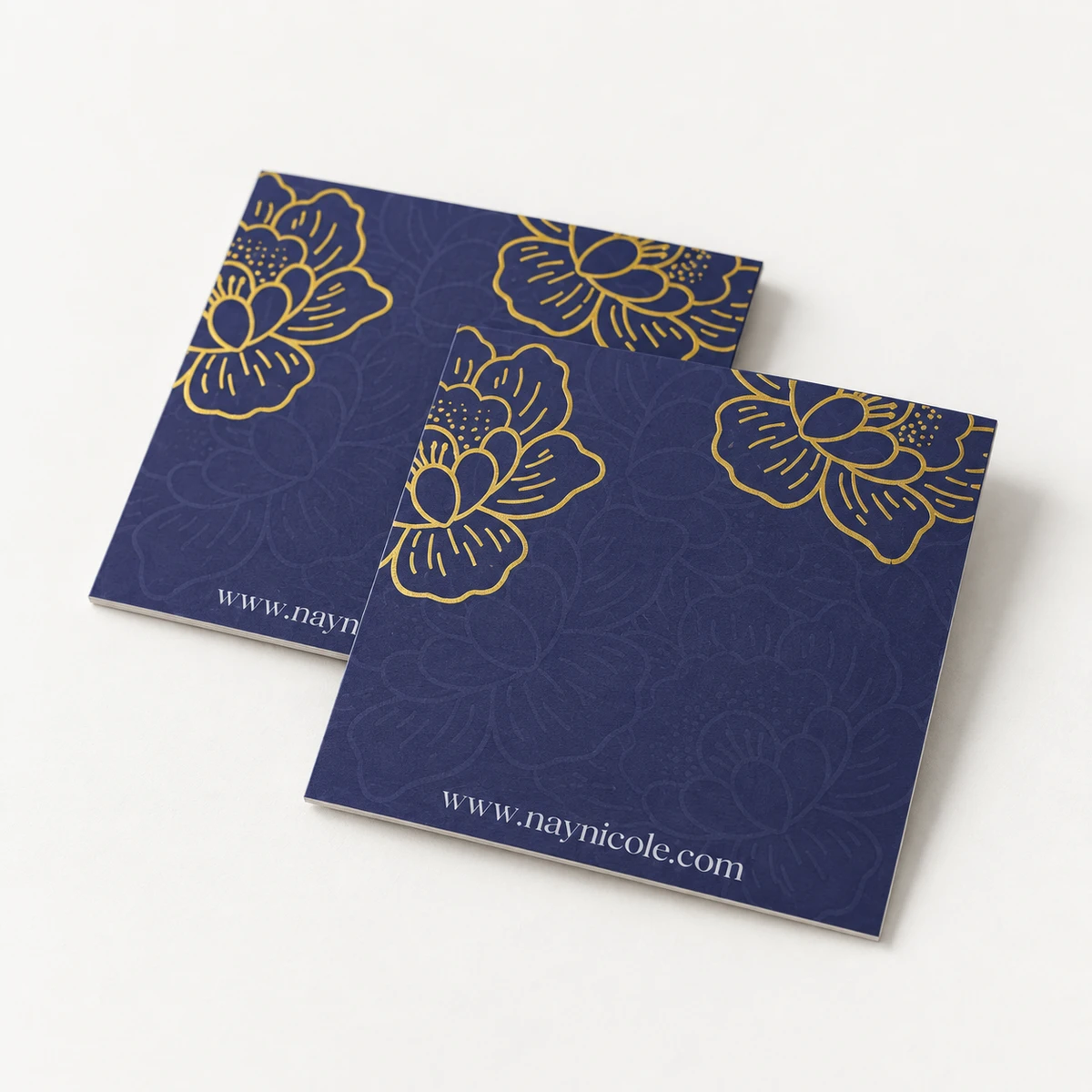 Custom Cards ↗