Choose a folding carton for compact printed retail packaging, a rigid box when presentation and the opening experience are central, and a corrugated mailer box when the package needs to work within a shipping system. None is automatically the right choice for every product—or a guarantee against transport damage.
A useful comparison starts with the job the box must do. Is it a carton around a skincare bottle, a presentation box for a gift set, or the parcel handed to a courier? Sometimes one order needs two of these layers. Deciding that first prevents a beautiful retail box from being asked to do a shipping box’s job.
The three structures at a glance
| Box family | Typical construction | Good starting point for | Check before ordering |
|---|---|---|---|
| Folding carton | Printed, cut and creased paperboard | Individual retail products, sleeves and small sets | Board grade, closure, fit and assembly |
| Rigid box | Thicker board covered with a decorative wrap | Gifting and presentation-led packaging | Insert, opening feel and storage volume |
| Corrugated mailer | Fluted board with folded or locking panels | Ecommerce orders and subscription deliveries | Board specification, closure and packed-product testing |
When a folding carton makes sense
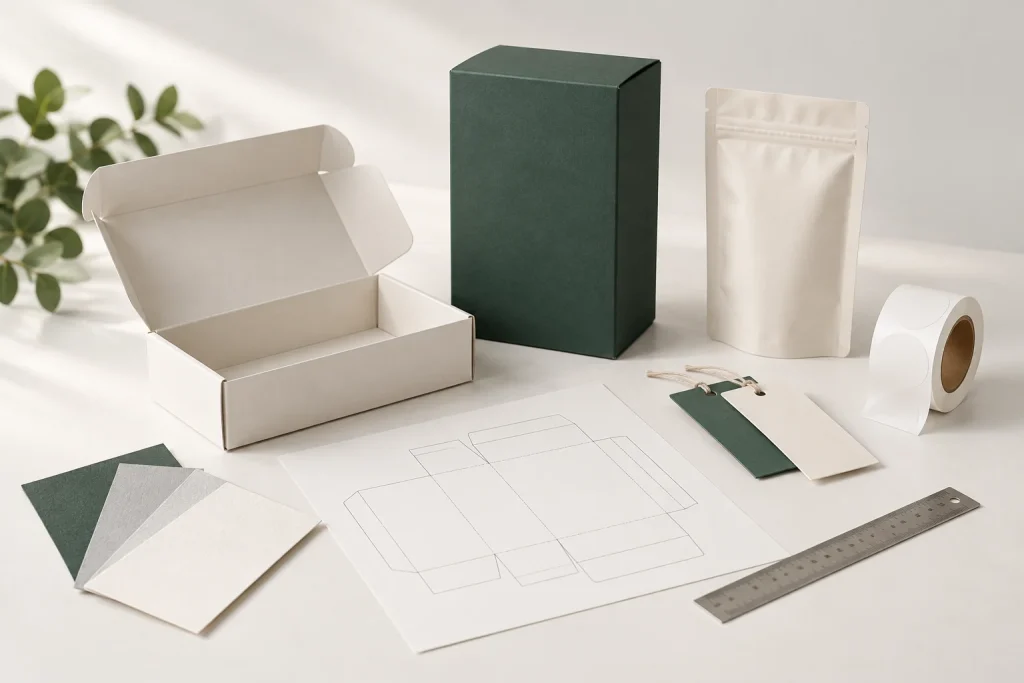
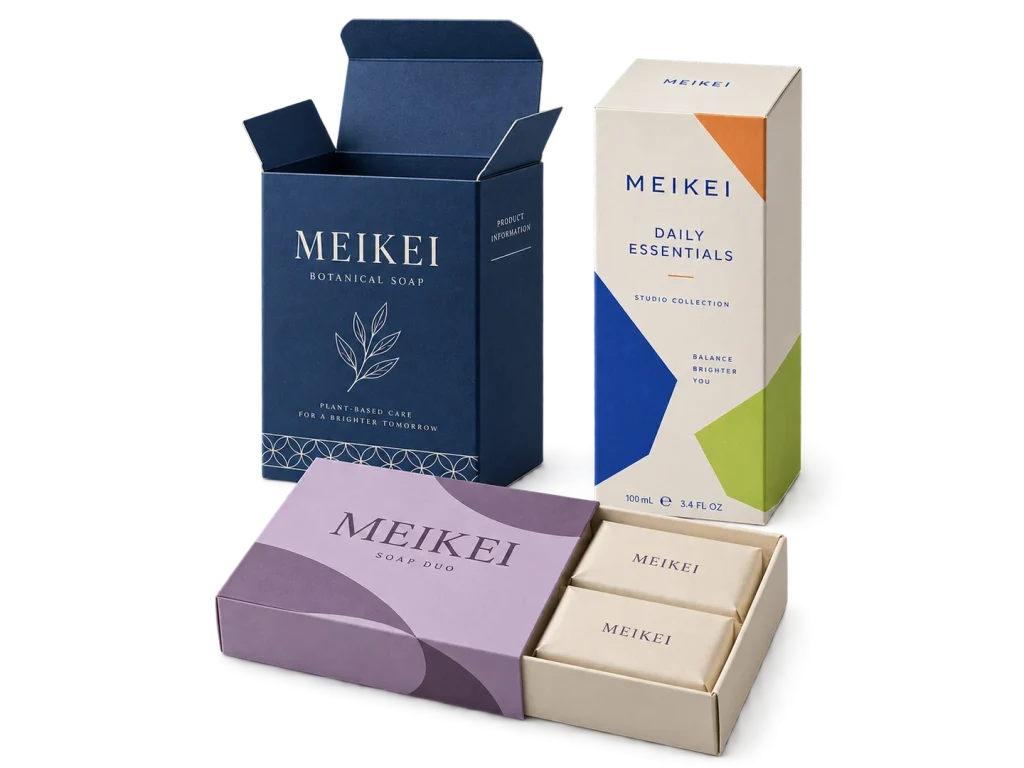
Start with custom folding cartons when you need a printed surface around a product without the bulk of a set-up rigid box. A tuck-end carton can suit a single bottle; a sleeve can bring an existing tray or product set into a coordinated range. The final structure depends on how the product is loaded and retained.
Specify internal dimensions, not just the product’s measurements. The structure needs room for the item, its tolerances and any insert. Ask for a plain structural sample before committing artwork to a dieline. If the carton is packed by machine, share the packing-line requirements at the start.
Do not choose board from grammage alone. Thickness, stiffness and crease performance are different properties. Holmen’s paperboard guidance explains that strength and stiffness choices also affect how a board creases and folds. Evaluate the assembled construction rather than treating a heavier stock as an automatic upgrade.
When a rigid box earns its place
A custom rigid box is worth exploring when the buyer will spend time opening, presenting or storing the product. A separate lid, drawer or magnetic closure changes how the contents are revealed. The insert is just as important: a loose-fitting product can make an otherwise carefully finished box feel unfinished.
Account for the space occupied by assembled boxes, both before filling and during transport. Ask whether a proposed style ships assembled or flat, how it is protected from rubbing, and what the packing operation requires. “Premium” is not a technical specification; define the wrap, board, insert, finish and closure instead.
When to start with a mailer box
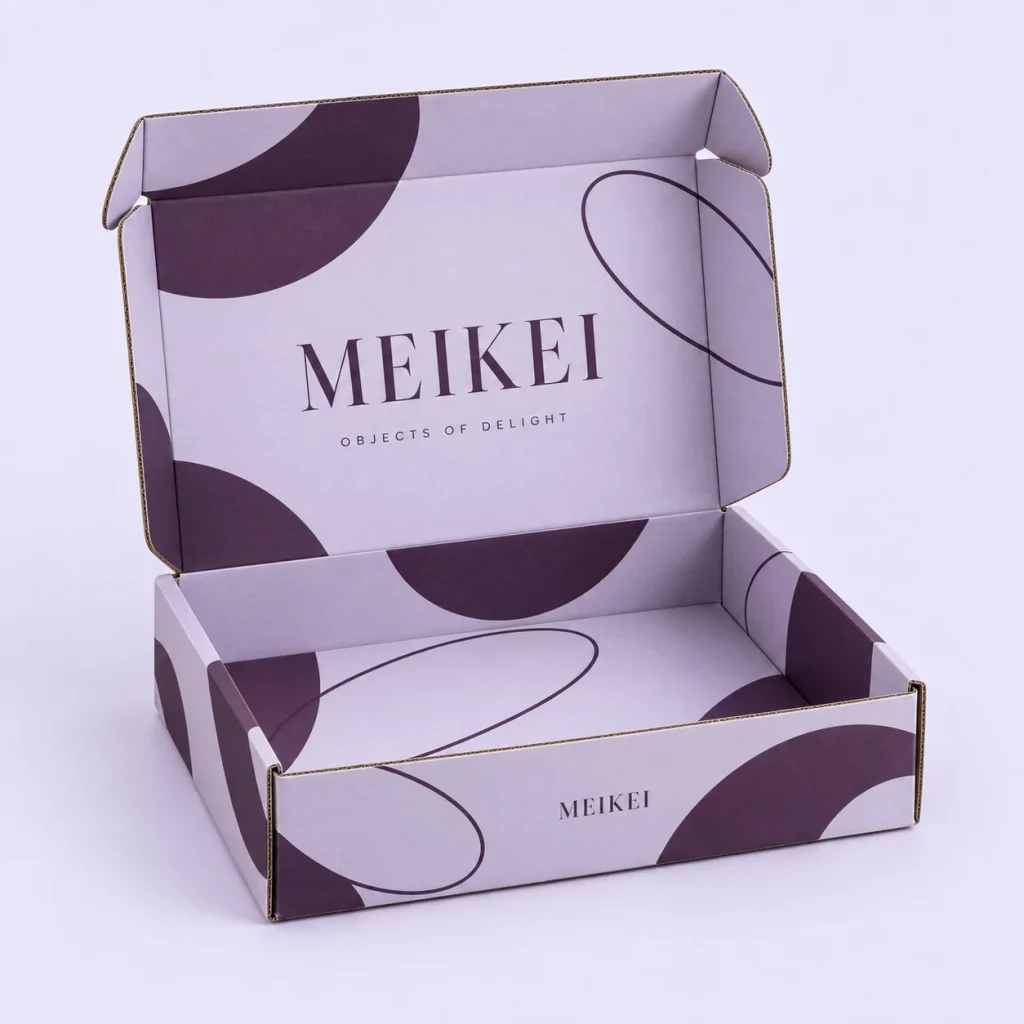
Many corrugated mailer boxes combine a hinged opening with a shipping-oriented structure. They can work well for grouped items, subscription packs and branded ecommerce orders. But board choice, dimensions, internal protection and sealing still need to match the packed weight and distribution route.
Do not assume a tuck-in lid alone provides the security or protection your courier journey needs. Review the closure with the packer and test the complete filled package. For compact, less crush-sensitive items, compare a box with a padded envelope using our mailer box vs bubble mailer guide.
A practical way to make the decision
- Describe the product. Include dimensions, weight, fragile areas and the number of items per pack.
- Map the journey. Separate retail display, gift presentation and parcel delivery requirements.
- Compare the whole pack. Include inserts, shipping protection, assembly time and storage—not only the empty box price.
- Sample the shortlist. Use the same product and review criteria for each option.
- Record the approved construction. Keep the dieline, material specification and signed sample reference together.
For example, a glass fragrance bottle sold as a gift might use a rigid presentation box inside a separate shipping carton. That is a planning example, not a universal recommendation: the correct combination needs physical evaluation with the actual bottle.
What to send for a useful recommendation
Send product measurements or a sample, quantity by size, packing method, artwork status and destination. Include a photo of the opening experience you prefer, but distinguish appearance from structural requirements. Use the packaging quote checklist to prepare the brief, then agree the checks in our sample approval guide before placing the production order.
Published by MEIKEI Printing as general packaging planning guidance. Material suitability, product performance and production details must be confirmed for your actual specification. Linked technical references support the relevant points; illustrations are not test evidence.