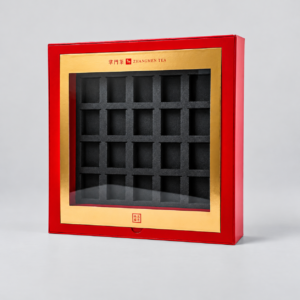
Paperboard thickness and GSM describe different properties. GSM is mass per unit area; thickness, also called caliper, measures the distance between the sheet’s two faces. Request both when comparing folding-carton materials, then evaluate the proposed board in the actual carton structure.
A quote that says only “350 gsm white board” leaves the grade and several performance questions open. The five checks below help buyers turn that shorthand into a specification that can be compared, sampled and approved.

Contents
1. Separate paperboard thickness from grammage
Ask the supplier to record these fields separately:
| Field | What it describes | What to request |
|---|---|---|
| Grammage / GSM | Mass per square meter, expressed as g/m². | The nominal value and identified board grade. |
| Thickness / caliper | The measured sheet thickness. | The value, unit, tolerance and measurement basis. |
| Bending properties | The board’s response to bending. | The reported property, test method, unit and direction. |
Holmen’s technical information treats grammage and thickness as separate measurements. It reports thickness in micrometers and also uses caliper points, where one point is one-thousandth of an inch. As a unit conversion, 16 pt equals 0.016 inches, or 0.4064 mm. That conversion does not tell you the board’s GSM or suitability for a product.
For paperboard thickness, agree one working unit in the quotation and production record. Label any converted value so a rounded reference is not mistaken for an independently measured result.
2. Identify the grade before comparing two quotes
There is no universal GSM-to-thickness conversion for all boards. Holmen’s explanation of bulk shows how papers with the same grammage can have different thicknesses because their volume per unit mass differs. Treat the specific material’s data sheet as the starting point for paperboard thickness, rather than using a generic conversion chart as an order specification.
Ask each supplier to name the proposed grade or material reference and describe its construction, printable side and any additional coating or lamination. Establish whether a quoted thickness refers to the supplied board stock or the finished, decorated material.
When considering a substitute, compare the identified materials and sample results. Matching one number does not, by itself, demonstrate an equivalent carton. Record which changes require your approval before the supplier proceeds.
3. Compare stiffness on a like-for-like basis
Paperboard thickness is not a complete performance rating. Holmen’s technical guide lists several bending measurements and distinguishes the machine direction from the cross direction. A figure without its method, unit and direction is difficult to compare meaningfully with another supplier’s figure.
Tell the structural reviewer what the carton must do: hold which product, at what packed weight, with which opening and packing process. Ask how the proposed board and layout address those requirements. Avoid choosing the highest GSM simply because it sounds stronger.
Keep these material decisions alongside the carton dimension record. Material properties and the size and shape of the finished structure should be reviewed together.
4. Review the folds and finish on a sample
Before approving paperboard thickness, ask for a sample that represents the attributes you need to judge. Identify any differences from planned production, including stock, surface treatment or construction.
Holmen’s creasing guidance explains that creasing conditions should match the board and that ply construction affects folding behavior. A thickness number alone cannot approve the finished fold.
Use this practical review sequence with your supplier:
- Assemble and load the carton using the intended packing method.
- Check the folds, closure engagement and product access.
- Inspect the decorated fold areas against agreed appearance criteria.
- Record the sample reference, proposed material and required revisions together.
This is a purchasing review checklist, not a standardized laboratory test. The sample approval guide helps distinguish structural, print and performance approvals.
5. Record paperboard thickness in the approved specification
Keep the material reference, grammage, thickness and units, agreed tolerances, finish and sample revision in one approval record. If paperboard thickness changes, ask the supplier to review whether the dieline, creasing or packing process also needs adjustment. Do not let a substitute material inherit an earlier approval without review.
A useful inquiry includes the product dimensions and packed weight, desired carton structure, quantity by artwork version, packing method and delivery destination. Add your existing material data sheet or reference sample if you are replacing a carton. If you do not know the required thickness, say so and request a proposed construction for evaluation.
Explore MEIKEI’s custom folding cartons, then send your carton brief for material and sample review. Confirm the available board, project-specific specifications and commercial terms before ordering. This guide does not prescribe a universal thickness or claim that MEIKEI stocks any named paper-mill product.