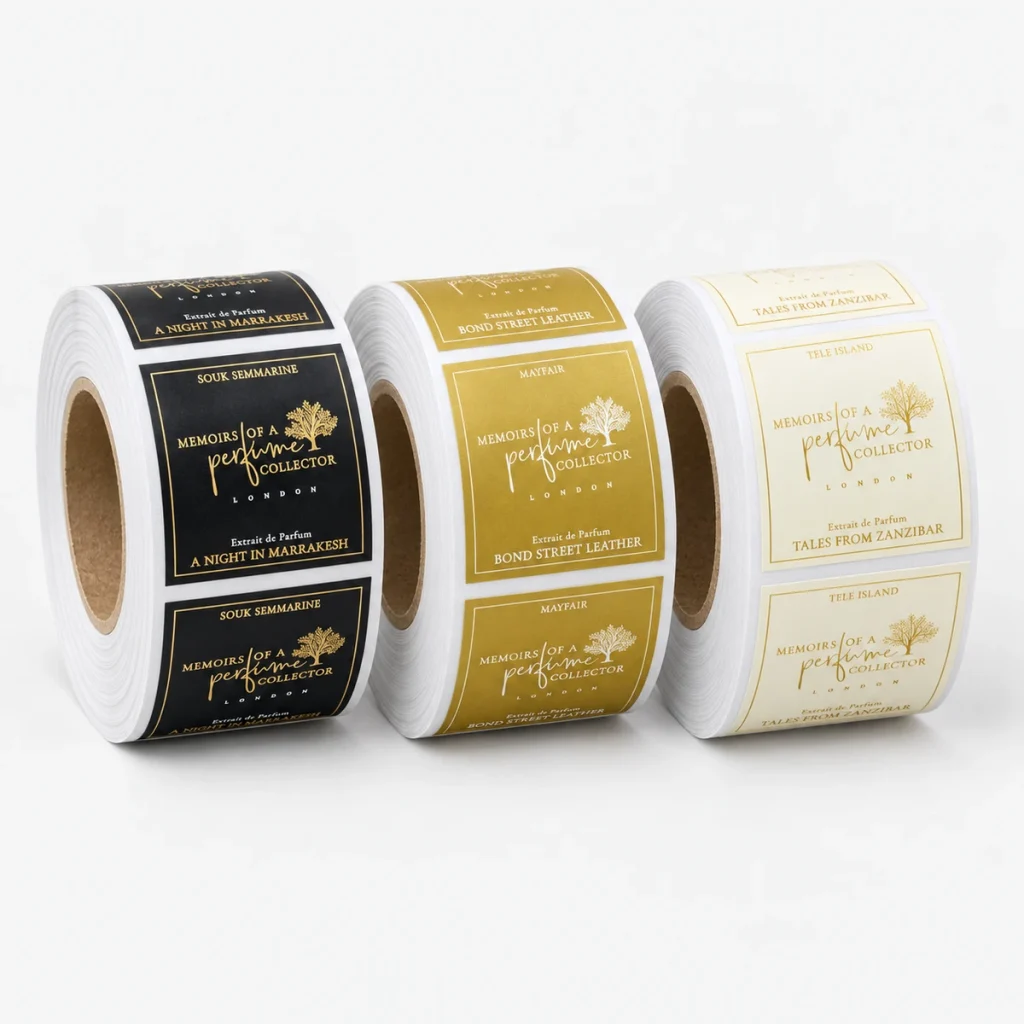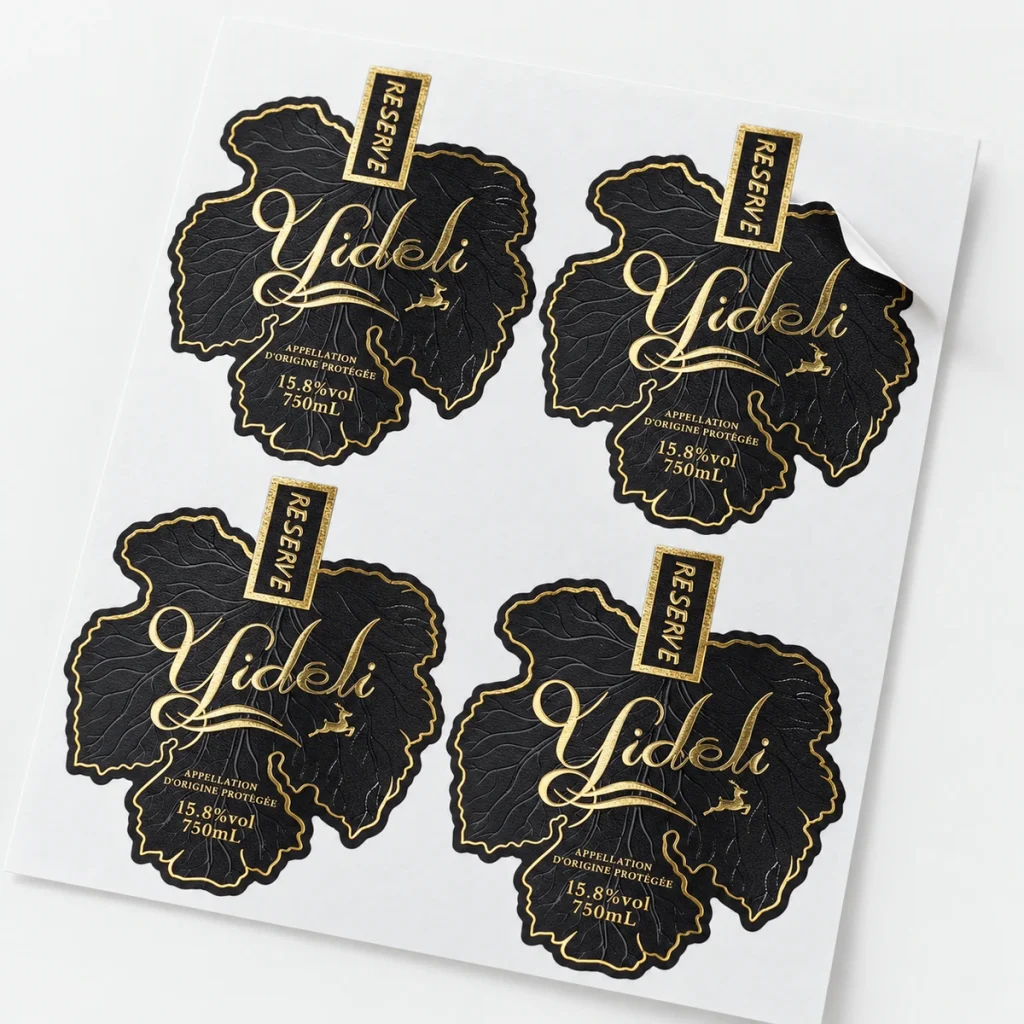
Gloss emphasizes reflected light, matte reduces the glossy appearance, and soft-touch adds a distinctive tactile surface. Those names describe the desired effect, but they do not fully specify a production process. Confirm whether the finish is a coating or a laminated film, which material it is applied to and how it must perform.
The best choice is not automatically the finish described as most luxurious. A highly tactile box handled repeatedly in retail may need different surface properties from a carton photographed once and then packed into a shipper. A label exposed to moisture needs a separate construction review.
Compare the visible and practical differences
| Finish direction | Design intent | What to review on a sample |
|---|---|---|
| Gloss | A reflective surface with strong visual impact | Glare, readability and appearance under retail lighting |
| Matte | A quieter, less glossy presentation | Dark-area rubbing, fingerprints and color appearance |
| Soft-touch | A tactile surface intended to change the feel | Handling marks, tactile consistency and compatibility with later finishes |
Coating and lamination are not interchangeable
Lamination bonds a film to the printed surface. A coating applies a surface layer through a different process. Both can influence appearance and handling, but quoting them as if they were the same construction can hide a meaningful specification difference.
Ask for the proposed finish by material or process, not just a sales adjective. For example, Derprosa’s laminating-film portfolio distinguishes tactile, anti-scratch and anti-fingerprint properties. A soft-touch description alone therefore should not be treated as a promise of all three.
Use your own artwork for the comparison
A sample book shows a range of effects, but its artwork may hide the issues that matter to your design. Request the chosen finish over representative parts of your file: a large dark area, fine text, pale colors and a logo intended for foil or spot coating.
Compare samples side by side under consistent lighting. Turn them to check reflections, read the small copy and handle them as a customer or packer would. Record which sample is approved rather than leaving the decision as “the nicer matte one.”
If several packaging components must look coordinated, evaluate them together. The same color and finish name can look different on a coated carton, textured tag and film label. Coordination means agreeing an acceptable overall appearance, not assuming unrelated materials will look identical.
Plan foil, embossing and spot effects together
A finishing sequence has to work as a production system. Ask whether the selected film or coating is compatible with the proposed foil, embossing, printing and adhesive steps. Keep selective effects away from structurally sensitive areas unless the supplier has reviewed the construction.
Use clear artwork layers and a reference showing the intended result. If you want a raised paper impression, say so; a printed shadow is not an embossing specification. The artwork checklist explains how to make that handover less ambiguous.
Agree the handling checks
- Inspect printed surfaces after assembly, stacking and normal packing.
- Look for rubbing where panels, inserts or neighboring packs contact each other.
- Check fold lines and edges on the actual construction.
- Assess cleaning or moisture exposure only against the intended use and agreed test method.
- Record acceptable appearance and any protective interleaving or packing requirements.
Do not call a finish scratch-proof, waterproof or recyclable based on appearance. Those are separate claims needing construction-specific evidence and, where relevant, a defined disposal context. If a requirement is essential, write it into the specification before sampling.
Where to begin
For a printed folding carton, shortlist finishes using the retail lighting, artwork and assembly process. For custom cards or hang tags, also consider writing, stamping or hole-punching requirements. For labels, compare the underlying paper or BOPP construction first.
Then approve a finished sample with a material code, finish description and reference date. Our sample approval guide helps separate visual approval from fit and functional checks so the production team has a usable acceptance reference.
Published by MEIKEI Printing as general packaging planning guidance. Material suitability, product performance and production details must be confirmed for your actual specification. Linked technical references support the relevant points; illustrations are not test evidence.