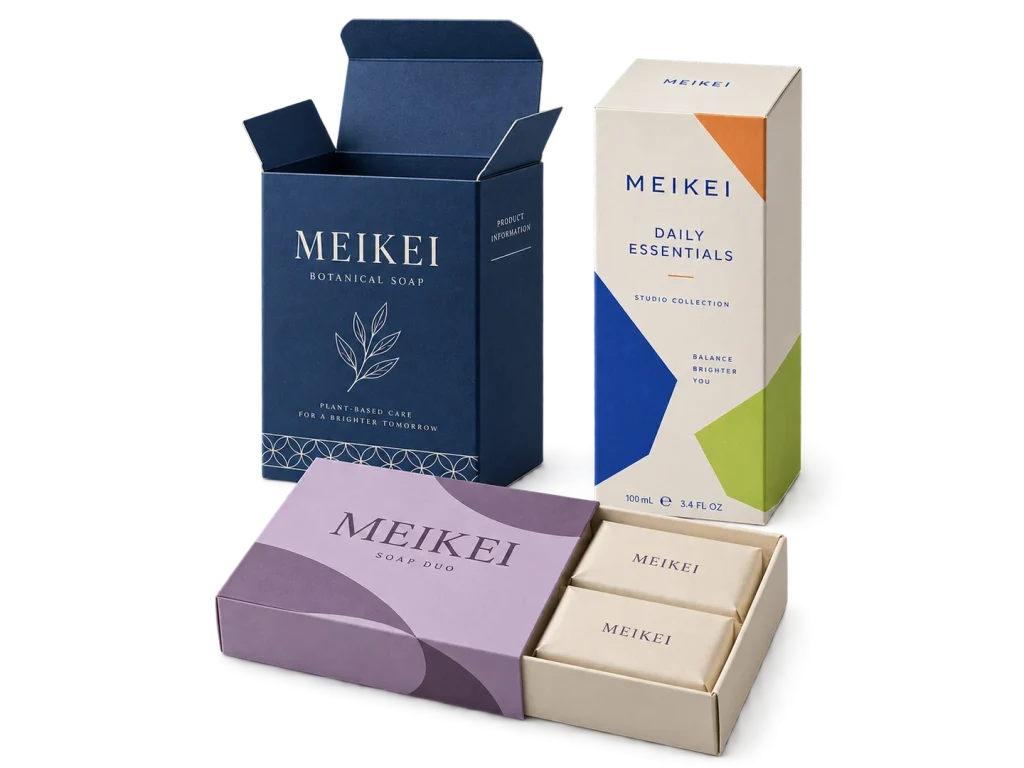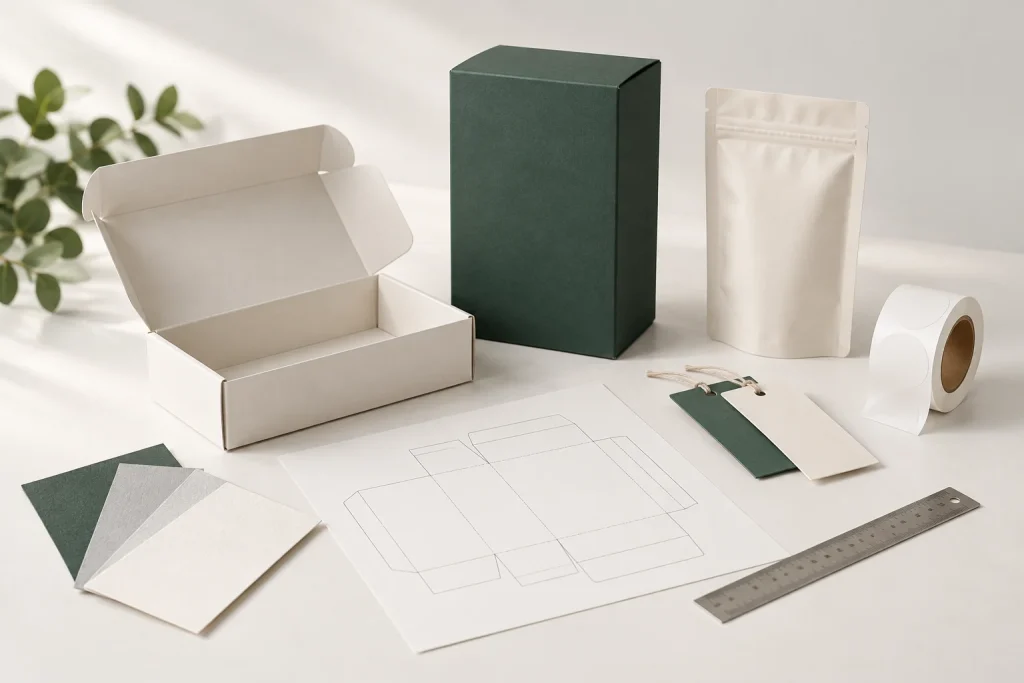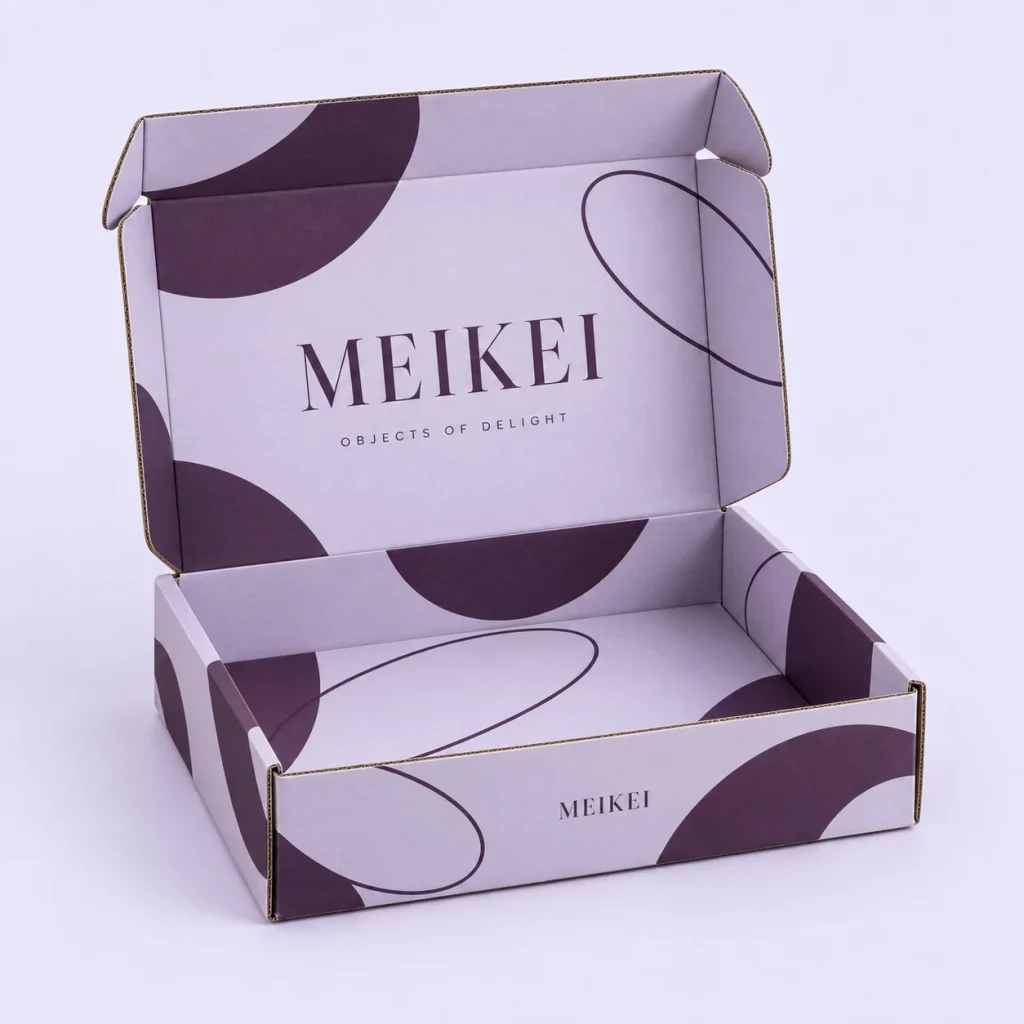
Start with a bubble mailer for compact items that can tolerate a flexible outer package. Start with a corrugated mailer box when shape, separation or an internal packing layout matters. The right choice depends on the item, protection system and delivery route—not simply whether the package feels padded.
A bubble lining cushions contact but does not turn an envelope into a rigid enclosure. A box creates an enclosure but may still need inserts, cushioning and an agreed closure. Compare the complete filled packages, including any protective retail packaging already around the product.
Compare the complete shipping pack
| Factor | Bubble mailer | Corrugated mailer box |
|---|---|---|
| Structure | Flexible or semi-structured padded envelope | Folded board enclosure |
| Internal organization | Usually a single pocket | Can accommodate partitions or inserts |
| Fit check | Usable opening, product thickness and sealing room | Internal dimensions, clearances and movement |
| Handling questions | Puncture, bending, seal and abrasion | Compression, closure, movement and surface wear |
When a bubble mailer is worth testing
A custom bubble mailer can be a sensible candidate for small accessories or already-protected products when a flexible package is acceptable. Start by inserting the actual item. Thickness consumes envelope width and length, so nominal flat dimensions do not describe the usable space around a three-dimensional product.
Leave enough room for the agreed sealing method without forcing the contents against the closure. Check whether corners or sharp features could damage the inner or outer layers. If the product must arrive flat, a padded envelope alone may not provide the bending resistance you need.
Specify both the exterior and cushioning construction. A kraft-paper exterior does not by itself mean the complete mailer is plastic-free. Ask for the full material description before writing disposal or environmental statements on the artwork.
When a mailer box is a better starting point
A custom corrugated mailer box gives you a defined space to organize a kit, separate components or reveal the contents in a particular order. That can help when several items travel together or when the package’s opening is part of the customer experience.
Choose the box size alongside the insert or cushioning. Excess empty space can allow movement; an overly tight fit can make packing difficult or put pressure on the product. Ask the supplier how board specification and folds affect the internal dimensions.
For fragile goods, a box is not a complete protection plan. Review the item’s vulnerable areas, how it is restrained and the outer shipping conditions. A decorative rigid box and a corrugated shipping box also do different jobs; see our three-way box comparison.
Compare cost per packed order
Do not compare only the purchase price of one empty envelope with one empty box. Include extra cushioning, tape, inserts, packing time, storage and the carrier’s charge for the final parcel. Measure the packed dimensions and weight, then obtain current delivery pricing for the relevant service.
Ask the fulfillment team to pack a short trial batch with each candidate. Record awkward steps and whether operators consistently position the product and close the package correctly. A design that works once on a sample table may be difficult to repeat during busy dispatch periods.
Agree how protection will be checked
ISTA’s test procedure directory distinguishes tests intended for different packaged-product and distribution situations. Use the actual route and product risk to discuss a suitable evaluation with a qualified testing provider. An empty-packaging photograph cannot establish transit performance.
- Define acceptable product condition and package appearance before testing.
- Test the complete contents, internal protection and closure.
- Record material and packing specifications so results refer to a known construction.
- Review whether changes in product, package or route require further evaluation.
Keep those requirements in your sample approval checklist. When requesting prices, include the destination, packed product details and order quantities using the packaging quote brief. This gives both supplier and fulfillment team the same problem to solve.
Published by MEIKEI Printing as general packaging planning guidance. Material suitability, product performance and production details must be confirmed for your actual specification. Linked technical references support the relevant points; illustrations are not test evidence.