A UPC-A barcode at nominal size needs 37.29 mm of width, including its quiet zones, and 25.93 mm of overall height. The black bars alone occupy less space. Planning a label around only the bars is therefore an easy way to leave too little room for a usable barcode.
This guide is for buyers preparing retail product labels and carton artwork. It uses published GS1 dimensions and a transparent layout calculation. It does not cover shipping-label barcodes, QR codes or every retailer’s acceptance rules.
What does the nominal UPC-A size include?
The GS1 General Specifications, Release 26.0, January 2026, give the following dimensions at an X-dimension of 0.330 mm. X is the module width. These are nominal reference dimensions, not a universal minimum label size. See section 5.2.3.4 and the symbol drawings in section 5.2.6.6.
| Measurement | UPC-A | EAN-13 |
|---|---|---|
| Left quiet zone | 2.97 mm (9X) | 3.63 mm (11X) |
| Bar-pattern width | 31.35 mm | 31.35 mm |
| Right quiet zone | 2.97 mm (9X) | 2.31 mm (7X) |
| Total width, including quiet zones | 37.29 mm | 37.29 mm |
| Overall height in the GS1 drawing | 25.93 mm | 25.93 mm |
UPC-A and EAN-13 share an overall nominal width but allocate the side margins differently. Do not swap one symbol into a cropped artwork box prepared for the other without checking it.
Will a nominal barcode fit a 40 × 30 mm label?
It fits geometrically, but that does not establish production approval. In this illustrative calculation, a 40 × 30 mm rectangular label leaves:
- Horizontal space: 40 − 37.29 = 2.71 mm total outside the complete symbol.
- Vertical space: 30 − 25.93 = 4.07 mm total outside the complete symbol.
Those remainders must accommodate the agreed placement and cutting allowances. They are not extra space inside the quiet zones. The label dimensions here are an example, not a recommended stock size or a tested MEIKEI specification.
Ask the artwork reviewer to place the full barcode file on the actual dieline and show its distance from every cut, fold and adjoining design element. If the space is insufficient, discuss a larger label or a different layout before approving the design. Keep that review with your packaging artwork approval record.
Why must the quiet zones stay empty?
A quiet zone is part of the scanner’s view of the symbol. It is not available for a border, batch code, background pattern or nearby text. GS1 UK’s quiet-zone guidance, reviewed in November 2024, explains that these spaces should match the barcode background and change proportionally with symbol size. It recommends additional room for printing variation.
A useful proof review has two separate boxes: the complete barcode footprint and the available label or carton panel. Ask the supplier to identify the required clear area on a proof overlay. Keep that overlay out of the final print artwork unless it is an approved part of the design.
Can you shrink the barcode or shorten the bars?
Choose the symbol size with the printer before finalizing the artwork. GS1 US’s placement and printing guidance warns against truncating UPC barcodes and recommends recreating barcode artwork at the required size rather than resizing an existing image. Height and width are linked.
The practical purchasing question is: “Which complete barcode size can you produce and verify using this printing process and material?” It is more useful than asking for the smallest file that fits. Request the final-size artwork, not a screenshot or an image copied from a presentation.
Record the approved file name and revision. If the designer subsequently changes the panel width, ask for another barcode review instead of letting automatic page scaling alter the approved symbol.
What changes when the label is clear or glossy?
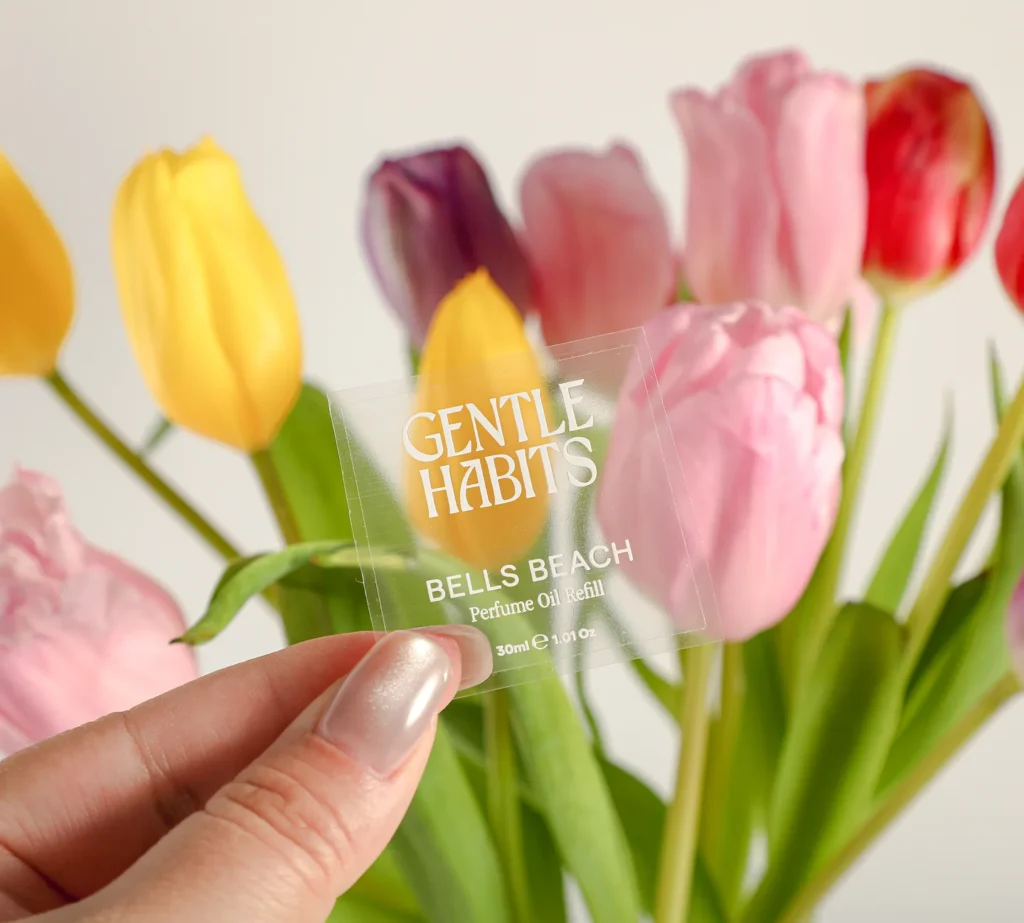
Check the background that the scanner will actually see. On a transparent label, that can include the bottle and its contents. GS1 Australia’s printing guidance cautions against transparent or semi-transparent barcode backgrounds and highly reflective substrates.
For a clear-label brief, ask the supplier to propose an opaque barcode background and assess it on the filled container. Identify whether the white ink, coating or laminate in the sample matches production. Our clear labels and white-ink guide explains how to separate transparent and opaque artwork areas.
Put the final sample on the actual product before accepting placement. A flat label proof cannot show how the chosen position works around a bottle curve, seam or carton fold. Treat a change in material or finish as a reason to review the printed sample again.
Is one successful phone scan enough?
A successful decode is a useful observation, but it is not a barcode verification report. GS1’s verification guidance describes linear-symbol assessment against ISO/IEC 15416, the symbology standard and the relevant GS1 symbol specification table. It assesses properties such as contrast, modulation and defects.
Before ordering, agree who will verify the printed samples, which requirements apply and what record will accompany approval. Ask the retailer or distribution partner for its acceptance requirements rather than assuming that any app which returns the correct number proves the pack is acceptable.
Keep the verifier’s result with the sample ID, artwork revision and material description. The guide is a buying aid; it does not claim that MEIKEI is a GS1-certified verifier or that the example layout has passed testing.
What should you send for a barcode-label quote?
- Identification: the authorized GTIN data, required symbol type and retailer or distribution requirements.
- Geometry: label width and height, dieline and proposed symbol position.
- Surface: container material, shape, color and filled-product sample if relevant.
- Production: quantity by artwork version, print and finish requirements, and any variable information.
- Approval: the required verification report, responsible party and sample acceptance process.
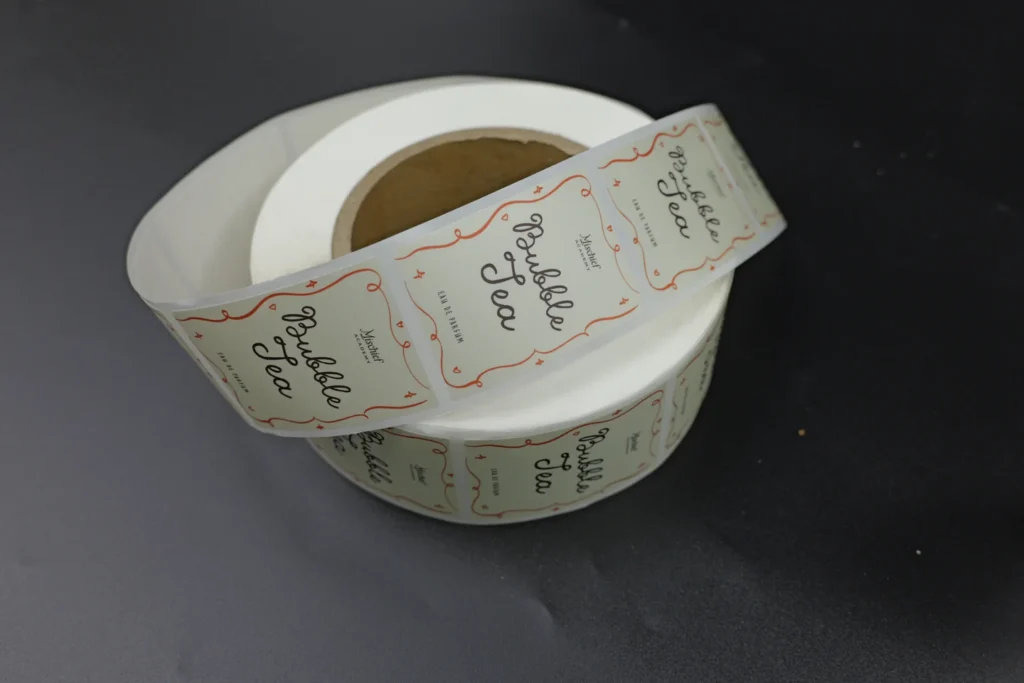
For machine-applied custom roll labels, also supply the applicator’s roll requirements. Barcode layout and roll delivery are separate specifications.
Preparing a label order? Send MEIKEI your dieline, barcode requirements and quantity. Our starting MOQ is 100 individual labels; confirm artwork versions, material and verification arrangements in the quotation.
Technical sources checked October 27, 2026. The dimension calculation is an illustrative layout exercise, not a laboratory result or customer case.
Published by MEIKEI Printing as general packaging planning guidance. Material suitability, product performance and production details must be confirmed for your actual specification. Linked technical references support the relevant points; illustrations are not test evidence.